


By Eva Maria Pabon
UF/IFAS Extension
Osceola County
Hurricane season is approaching, and as part of our preparation we need to get our gardens and landscape ready.
We all know that severe storm winds do not cause all of the damage to structures. Falling trees and flying landscape debris can also cause damage during a storm. There are building rules in place to limit damage caused by strong winds and high water, but no standards exist for designing and maintaining hurricane-resistant landscaping. Can a landscape be designed to minimize hurricane and storm damage to structures and plants? The short answer is: YES.
We can limit storm damage by picking the right plants and properly managing them. Storm-resistant trees should be decided based on their root development, mass, density, and growth characteristics. The majority of Florida’s native trees and plants are excellent selections. These plants have shown resistance to heavy winds by surviving prior storms. It is not that exotic plants cannot survive hurricanes; they can, but they must have the same qualities as native plants.
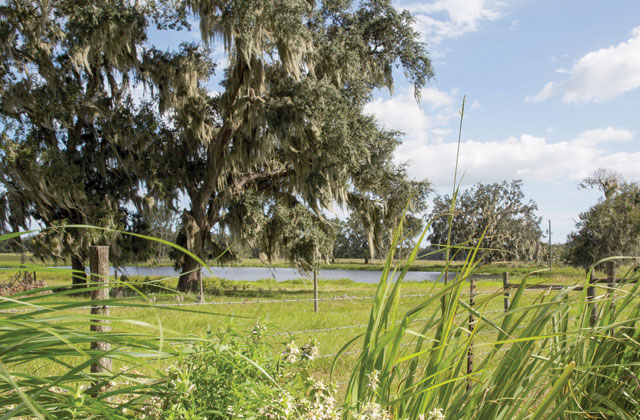
A storm “survivor” tree is compact, with a low center of gravity, a strong, solid trunk, and a huge, deep root system. Our native live oak is an excellent example of a “Survivor” tree, given the proper habitat and care during its life. The “weakest link” in landscapes during storms is a tree with a high center of gravity, a dense canopy, a weak trunk, and shallow roots. Tall, thin pine trees exemplify the “weakest link,” particularly those that formerly belonged to a pine forest before suburban expansion.
Trees assumed to be hurricane-resistant may nevertheless be vulnerable to high winds. Construction damage, poor growth circumstances, limited root zones, and disease or insect issues render trees prone to collapse during storms. Poorly constructed landscapes can be hazardous during a storm, while well-designed ones might be beneficial.
New plantings should be positioned far enough away from structures and utilities that they can swing in severe gusts. Thick, dense hedges should be planted in front of these trees. The bushes operate as a barrier to keep winds and debris away from structures. Trees that are under one year old are more vulnerable to storm damage than older ones. They are weaker and have a shallow root system. If a storm is on the way, these trees should be supported.
The first stage is to supply the tree with optimal growing circumstances and keep it as healthy as possible, free of insects and illnesses. Second, adequate pruning must be done on the tree. A sturdy, deeply rooted tree is unlikely to fall during a storm, but weak branches in the canopy may. Even “survivors” can get quite huge and unstable, making them dangerous during storms. Regular pruning during a tree’s development should result in a solid, well-spaced structure of healthy branches and an open canopy that allows air to move freely through it. Limb crotches should be 45-90 degrees. Narrow V-shaped crotches are likely to split. When a storm approaches, gardeners who have trimmed and proportioned their trees do not have to spend time
in the garden preparing for
the storm.
For more information, pruning instructions, and guidance, contact the Osceola County Master Gardeners at 321-697-3000. They are available to take your calls Monday through Friday from 9 a.m. to 3 p.m. or email epabon5@ufl.edu. For our classes and events, visit https://uf.eventbrite.com to register.