

On Nov. 15, a new plant hardiness zone map was released by the U.S. Department of Agriculture. This map shows the average minimum temperatures observed during the past 30 years (1991-2020). The map is designed to help gardeners, foresters, planners, and landscapers judge which plants can take the amount of cold weather that exists in their areas.
In 2012, the date of the previous hardiness map, all of Osceola County was in Zone 9B. Now, our area is shown to be in a warmer zone 10A, while the more rural southern half of the county remains in zone 9B. Overall, the average extreme minimum temperature was 1/4 zone warmer across the U.S.
The popular opinion seems to be that we are now free to go ahead and buy a selection of less hardy plants. There are reports of people filling yards with citrus in coastal North Carolina. And in Boston, they now expect to permanently grow magnolias and camellias. Here, garden centers have always loved to tempt gardeners with all kinds tropical plants.
What does this actually mean to gardeners in Osceola County? The first impression might be to rush out and buy all of your favorite tropical plants, which formerly were not supposed to live here. Why not fill up the whole yard with large Zone 10A lychee trees and Royal Palms? And why not try a few Zone 10B coconut palms? A few local residents have been lured into buying some of these very expensive large tropical specimens in recent years, only to lose thousands of dollars in a freeze.
It does not seem like a good idea to plant a whole yard at or slightly above the new limit. That zone number is just an average of extreme events. This average may not actually show the lowest temperature in your yard, or the lowest it ever will be.
Here is an official statement by the USDA and map contributor Oregon State. “No hardiness zone map can take the place of the detailed knowledge that gardeners learn about their own gardens through hands-on experience.”
It further states that what has thrived in yards will most likely continue to do so. This means that experience is often the best teacher. It is necessary to study our microclimates in our own yards.
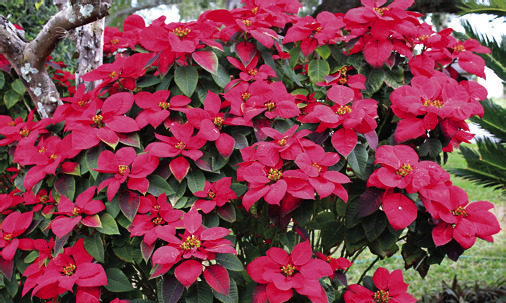
I have a list of plants which permanently froze to death in my yard before I did this. Included are Foxtail palms, mango, avocado, poinsettia, cocoplum, and anthurium. Free gift plants which froze were coffee plants and a jackfruit tree.
After the failures, I put a weather station in the house, with three remote sensors placed out in the yard. I no longer have to go out and freeze to find out what the thermometer says at 5 a.m. in the winter. These sensors are a good way to tell which plants will survive in each area of the yard. Unless it is an extremely windy night, the sensors rarely all read the same temperature.
I have made some personal observations during the last 18 years. My own yard has never stayed above 30 degrees (the average for zone 10A) for even one entire winter. One freeze bottomed out in the 20’s for more than 12 hours. Yet the property was upgraded to zone 10A. However, the urban areas may have fared better. Cities do produce some heat storage.
Don’t forget to consider both frost and cold temperatures as a hazard to plants. Growing coldsensitive plants under a tree canopy or near the south wall of the house will improve their chances of survival. A poinsettia in St. Cloud, for instance, has both of those advantages.