

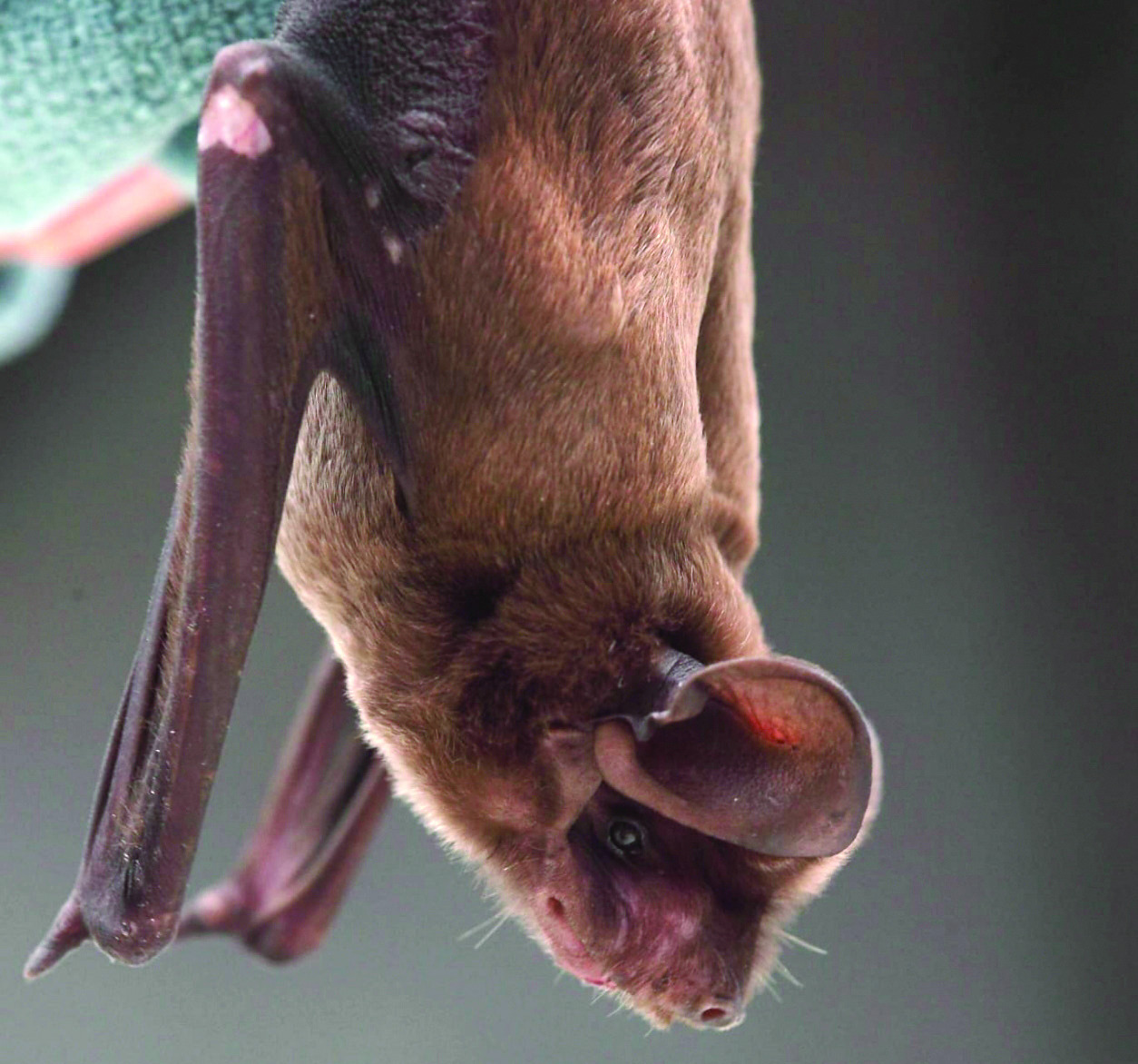
Spring is here, and many of Florida’s wildlife species are becoming more active, including bats. In Florida, there are 13 bat species.
Florida’s native bats are insectivorous, meaning they eat insects including beetles, mosquitoes, moths, and other pests. Bats are great at controlling these pesky insects – a single bat can eat hundreds of insects in one night.
It’s a myth that bats are blind. Bats have adapted for seeing in dim light, and many species can see quite well. They also use sound waves to detect objects (echolocation). This helps them be very agile flyers in the dark and hunt for food. In fact, bats are the only mammals that can truly fly!
In Florida, bats mate in the fall and winter and give birth from mid-April to July. Most bats only give birth to one pup. They don’t build nests and instead find a place to roost in rafters or bat houses. The baby bats begin to fly in three to six weeks, at which time they venture off on their own.
From April 15 to Aug. 15 it is illegal to block bats from their roosts. Blocking their roosts will cause flightless baby bats to be trapped inside and die. Check your home or barn now for potential entry points, ensure there are no bats present, and repair the hole before April 15.
If bats are found, you should install a bat exclusion device before the maternity season begins. Exclusion devices allow bats to leave a structure but block them from returning to roosts. They are the only legal method to remove bats from your home or building. Help keep these important mammals safe this spring and summer.
Visit https://myfwc.com/ wildlifehabitats/ profiles/ mammals/land/bats or call UF/IFAS Extension at 321-697-3000 for more information.