

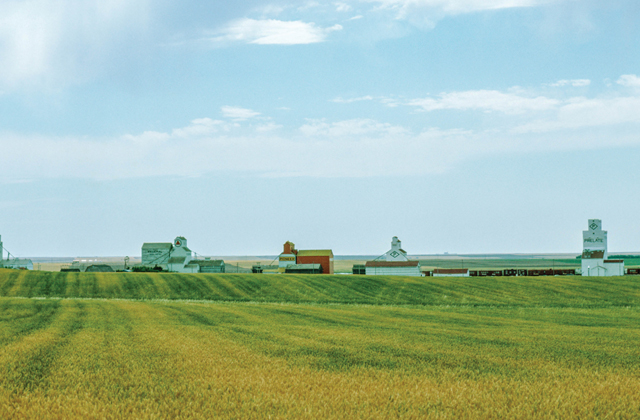
Do you seek a bucolic country life, far from the bustle and hustle of urban living?
Rural life offers fresh air, quiet, and sprawling acreage as far as the eye can see. It’s a dream that many city and suburban dwellers seek to make a reality, but before taking that step, be sure you consider some important factors to weigh in order to save time and trouble down the road. Otherwise your dream of peaceful living could just generate stress and hassle.
That seemingly perfect property may have incredible views, but can you build on that plot of land you’re eyeing? Zoning restrictions may prevent residential building, in fact, it may require industrial, commercial, multifamily or mixed-use building. Simply because the area looks rural, does not mean that it is planned for rural living. Check with the county zoning board or a Realtor versed in land sales to be sure that you can utilize this land the way you wish to. Even if the property already has a residential structure on site, there is the possibility that zoning and building laws have changed since it was initially built, which may prevent you from tearing it down, remodeling and expanding it, or even keeping it and building a new home. Make sure that you know the property’s current zoning and land use, along with its Future Zoning and Land Use – and take a look at all the property around you as well. Property rights allow owners to use their property according to its allowed use and change the property use when it’s warranted. If you are planning on looking at the trees and pastures across from your home for the rest of your life, perhaps you should consider buying that property as soon as you can because property can be sold and different styles of building can take place toward meeting the market needs of an area or community. Consider as well that environmental restrictions may also be a factor that prohibit you from using the property as you wish.
Soil quality is just as crucial to research before committing to an offer if you intend to grow on this acreage. While you are speaking to your Realtor also ask about the type and quality of soil on the land to see if it will meet your needs. USDA provides soil survey maps for the entire nation. You can access those maps at https://websoilsurvey. sc.egov.usda.gov/App/HomePage.htm Once you have an outline
Once you have an outline of the type of soils that you have on the land, you can research those soils as to how they are best utilized for agriculture or building. County extension offices typically offer soil testing if you send a sample to them. The cost burden for this is minimal to discovery. This test will measure the pH level and micronutrients as well as identify what type of soil is present. You may also utilize a qualified and certified soil scientist who will run test boring and match them to the GIS created maps. Actual onsite physical soil testing is the only way to determine if the maps are correct as they can have errors.
Be mindful that contamination could be a factor. Look at the property over a period of time. There are time line capacities on land aerials that allow you to view what the property looked like from the air at any point in time. If there is anything on the property in those old photos that is not there now, ask what it was and what happened to it? Ordering an Environmental Phase I ESA report can be essential to knowing if there is contamination on the property and, if so, can it be remediated and at what cost.
When those questions have been satisfactorily answered, look into utilities. Are they present on the land currently? If not, can they be put in and at what cost? If neighbors are nowhere nearby, how much will that affect the cost to install?
Water access is a very critical issue that requires due diligence in your search for property. If your property has access to the municipal system, connection fees will apply to hook up to that system, however in a rural setting you will likely be dealing with septic systems and wells for your water needs. If a well is already in place, ask for a flow rate and water quality report from the municipal health department. And if your location has no well, you will want to speak to well drillers or hydrologists about well depths, water quality and flow rates for the area. Still, there are no guarantees. Well drillers and hydrologists are making estimates on how much ground water might be available. If your intentions with the property require a large quantity of water, say for farming, you can make your offer contingent upon a drill test to ensure that the land will produce the necessary amount that you require.
If you need to install a septic system, you must have a percolation test done to make sure that you can build a necessary drain field. You should also calculate the cost of inspection as most states are beginning to require septic tank inspections when the property is transferred and on varied cycles.
Further consideration must be made for property is access. You may find it difficult to find a lender who will loan for a property that doesn’t have legal deeded access to a public road. Legal deeded access is the most ideal situation for a buyer. It could be that there is no access, but legal access is obtainable. In this case, you will be looking at several thousand dollars in administrative and surveying expenses. Landlocked properties are less ideal. These properties are surrounded by other properties on every side, and this can make adding access tricky as neighboring owners’ rights come into play.
Naturally, you will need to look into insuring the property. Title insurance is a must in rural land purchases and can run at about .5 to 1 percent of the purchase price of the property. This is a one-time purchase that insures the buyer from any incidents in the history of the property that might challenge ownership. Perhaps the previous owner is deceased, but a long-lost relative tries to lay claim to the property after you buy it. Title insurance will protect you in this case.
Finally, be sure you understand that being settled out in the country means that not only are your neighbors potentially distant, but so too may be your local fire and police departments - even hospitals. Drive time to your house in the case of an emergency could be increased due to the distance you’ve placed between yourself and the rest of society. This can be a major hindrance for some people, especially those with health issues. Check for the nearest fire station, police station and hospital and determine if you can handle the risk you may be taking by potentially being far removed from their services. Remember that if you are living next door to an agricultural operation, it is a business. You may experience noise, smoke, loud animals, smells, etc. that you would not experience in town and that business rarely runs on a Monday-Friday 9 a.m. to 5 p.m. schedule. That tractor can be a little loud at daybreak and pigs and chickens do a have odor you will never forget, but that little hassle may seem minor when compared to the benefits of rural life.
Taking the time to do your research will save you from potential headaches when you are ready to commit to the laid-back lifestyle that country living can offer. With all that work behind you, you can finally kick back, relax and enjoy the serenity of rural life.
Carol Platt is a broker associate/designated Realtor for Crosby and Associates in St. Cloud specializing in commercial and land properties throughout Central Florida.