


Submitted by FAPIA
The Florida Association of Public Insurance Adjusters (FAPIA) reminds homeowners of the importance of understanding their insurance policy before a storm hits. This is especially important as this year Colorado State University predicts a particularly active season with 23 named storms, up 10 from 2023.
“Common advice focuses on stocking up on non-perishable goods, determining an evacuation route from your home and preparing to protect your property,” FAPIA President John Hornbuckle said. “Most homeowners do not know to review their insurance policies as part of their yearly preparations. But, if your home is damaged in a storm, having a general understanding of your current insurance policy can save you thousands of dollars and ease the stress of navigating your claim in your time of loss.”
Additionally, taking the
time ahead of storm season to review the details of your policy can help prevent issues with claim resolution, such as your claim being underpaid or denied. Before a storm hits, homeowners should review several sections of their insurance policies and document items that could support future claims.
Here’ 9 FAPIA recommendations for before a storm bears down on your insured property:
1. Understand the limits of your policy.
Not all insurance policies are the same. Some contain restrictions that will make it difficult to be fully compensated for losses. Recent legislation limits the amount of time you have
to submit a claim to one
year from the date a storm makes landfall, so it’s imperative to act quickly following a loss.
2. Ensure you can comfortably pay your deductible.
That’s the out-of-pocket expense you have to absorb if you have a loss. You may have separate deductible for your roof, so it is important to fully review your policy.
3. Know your home’s vulnerability to storm surge, flooding and wind.
Confirm whether your policy covers such damage.
4. Review the “Duties After Loss” section of your policy.
This outlines your responsibilities following a loss. Failure to complete these could result in non-payment of your legitimate claim.
5. Check for any and all “Exclusions.”
Many insurance companies have added new exclusions to coverage, meaning your roof, patio, fence and more may not be covered.
6. Make a visual record of your home and possessions.
Take photos or record video to document the condition of your home and belongings before any damage, paying particular attention to your roof and exterior.
7. Create a detailed list of all your personal property.
This will help document your claim after a loss. Gather up receipts for large items such as major appliances, furniture and electronics, and store copies in a digital cloud service, along with the inventory list.
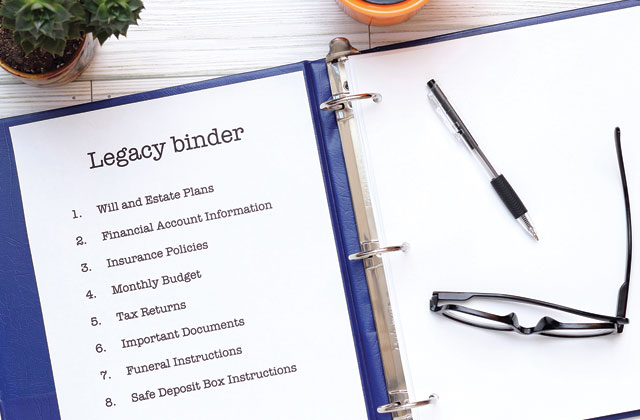
8. Prepare a disaster supply kit that includes copies of your insurance policies, family medical information, deeds and wills, etc.
Place the originals in a safe deposit box, safe or in a tightly sealed container and make a digital copy to keep on the cloud for easy reference.
9. Purchase flood insurance.
Standard residential property insurance does not typically cover flood damage. If you purchase it, be aware flood insurance has a “grace period” of 30 days before it goes into effect. So purchase it now–before a storm strikes. Note that if you have a policy with Citizens, flood insurance is mandatory.
Homeowners who suffer property damage from a storm are encourage to hire only licensed public insurance adjusters–not roofers, contractors or “restoration consultants”–to represent them in navigating insurance claims. Public insurance adjusters are licensed and trained to carefully inspect property, document the damage, understand insurance policies, inform policyholders of their responsibilities during the claim, identify the real costs of repairs and ethically navigate the claims process for the policyholder.