
What happens when the most magical place on Earth is far from a fairy tale for many Central Florida residents?
Orlando is widely regarded as a top tourist destination, welcoming more than 116 million visitors in 2023 to its many attractions. Sure, many talk about the benefits, but the disadvantages are often overlooked.
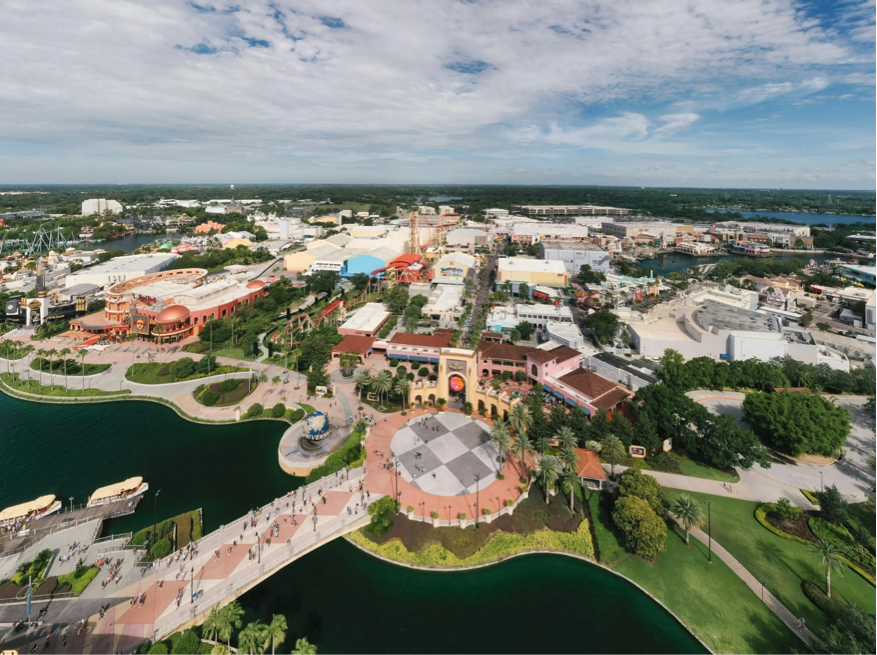
With the addition of Universal’s Epic Universe, set to open on May 22, Central Florida will feature some 20 theme parks. While theme park expansion in Central Florida is frequently seen as a driver of economic growth, it also creates significant challenges that impact local communities— good luck driving I-4 Orlando on opening day.
There are pressures on our local infrastructure from tourism growth. Economic research highlights issues like overcrowding of facilities and transportation, overcommerc ialization and misunderstandings and conflicts between residents and visitors”. There are often road and highway issues due to theme park transportation, which makes it more difficult for residents to commute.
Over- commercialization is changing the culture of Central Florida. Pressure on the infrastructure prioritizes tourist convenience over residents’ needs. Communities feel like they are living in a corporate playground rather than a hometown. Endless commercialization replaces cultural values with a profitdriven appearance.
Orlando resident and hospitality worker Wildalys Perez mentioned, “If they’re the ones responsible for bringing this many tourists, then they should take responsibility for what’s happening around them.”
It’s a fair point. If they benefit from the cause of these problems, they should take more action to minimize them for residents. They’re still generating revenue, after all.
Theme parks generate millions annually, yet most employees earn only minimum wage in part-time roles. The top three theme park companies (Walt Disney World, Universal Orlando, and Sea World) together employ over 75,000 people, research shows. But, can these employees afford to live in this area with these jobs?
Theme park expansion has contributed to the rising cost of living, making it harder for residents to afford everyday expenses. With the parks driving the tourism machine, real estate platforms like Airbnb have contributed to rising home values by bringing investors who buy homes merely for short-term rentals, pushing out local buyers who need permanent, affordable housing. Rideshare apps like Uber and Lyft raise commute costs through surge pricing near parks.
Additionally, local investment projects meant to support tourism take funds away from community needs. Orange County’s Tourist Development Tax, first enacted in 1978, adds 6% on short-term lodging stays. However, this tax only supports tourism-related projects. Although theme parks bring billions to the economy, many residents find themselves paying the price for a lifestyle more adapted toward visitors than those who call Central Florida home.
The median home price in 2024 was $385,000, an alltime high. Theme parks play a significant role in this by increasing real estate demand, encouraging vacation rentals and driving up property values. Without corporate commitments, housing investments will help the visitor more than the community.
Many theme park employees struggle to find affordable housing near their workplaces and are pushed to distant areas.
“The lack of housing didn’t come with Disney alone,” Rollins College professor and local historian Richard Fogelsong said. “it came with Central Florida becoming the top tourism destination in the world.”
Some may say theme parks bring jobs, entertainment, and international attention. While true, let’s not ignore the impact on local communities. When workers can’t afford rent, when roads are jammed with traffic, when residents feel like second-class citizens in their neighborhoods, that’s a problem. It’s time for Central Florida giants to step up—whether by investing in affordable housing, funding public infrastructure improvements, or raising workers’ salaries.
The future can be better, but only if these corporations recognize their role in shaping a community where both locals and tourists can thrive.
Castro is an English student at Valencia College.