

Attention all stargazers: it’s time to get your binoculars and telescopes ready for four celestial events in August.
Through Aug. 31, the planets Mercury, Venus, Jupiter, Saturn, Uranus, and Neptune will align in the early morning; the best time to observe this one-of-a-kind planetary alignment is on Aug. 26 at sunset.
NASA Public Engagement Specialist Preston Dyches said lineups of four or five naked-eye planets with optimal visibility occur every few years.
“Mars, Jupiter, and Saturn are frequently seen in the night sky, but the addition of Venus and Mercury make four- and five-planet lineups particularly noteworthy,” Dyches said. “Both orbit closer to the sun than Earth, with smaller, faster orbits than the other planets. Venus is visible for only a couple of months at a time when it reaches its greatest separation from the Sun, appearing just after sunset or before sunrise. Mercury, completing its orbit in just 88 days, is visible for only a couple of weeks at a time just after sunset or just before sunrise.”
Dyches said while they aren’t once-in-a-lifetime events, planetary parades afford an uncommon opportunity to look up and appreciate our place in our solar system, with diverse worlds arrayed across the sky before our very eyes.
The next event to look out for Aug. 13-14 is the Perseids meteor shower at around 10 p.m. According to NASA, the pieces of space debris that interact with our atmosphere to create the Perseids originate from comet 109P/Swift-Tuttle, which took 133 years to orbit the sun once.
NASA stated that it was Giovanni Schiaparelli who realized in 1865 that this comet was the source of the Perseids and last visited the inner solar system in 1992.
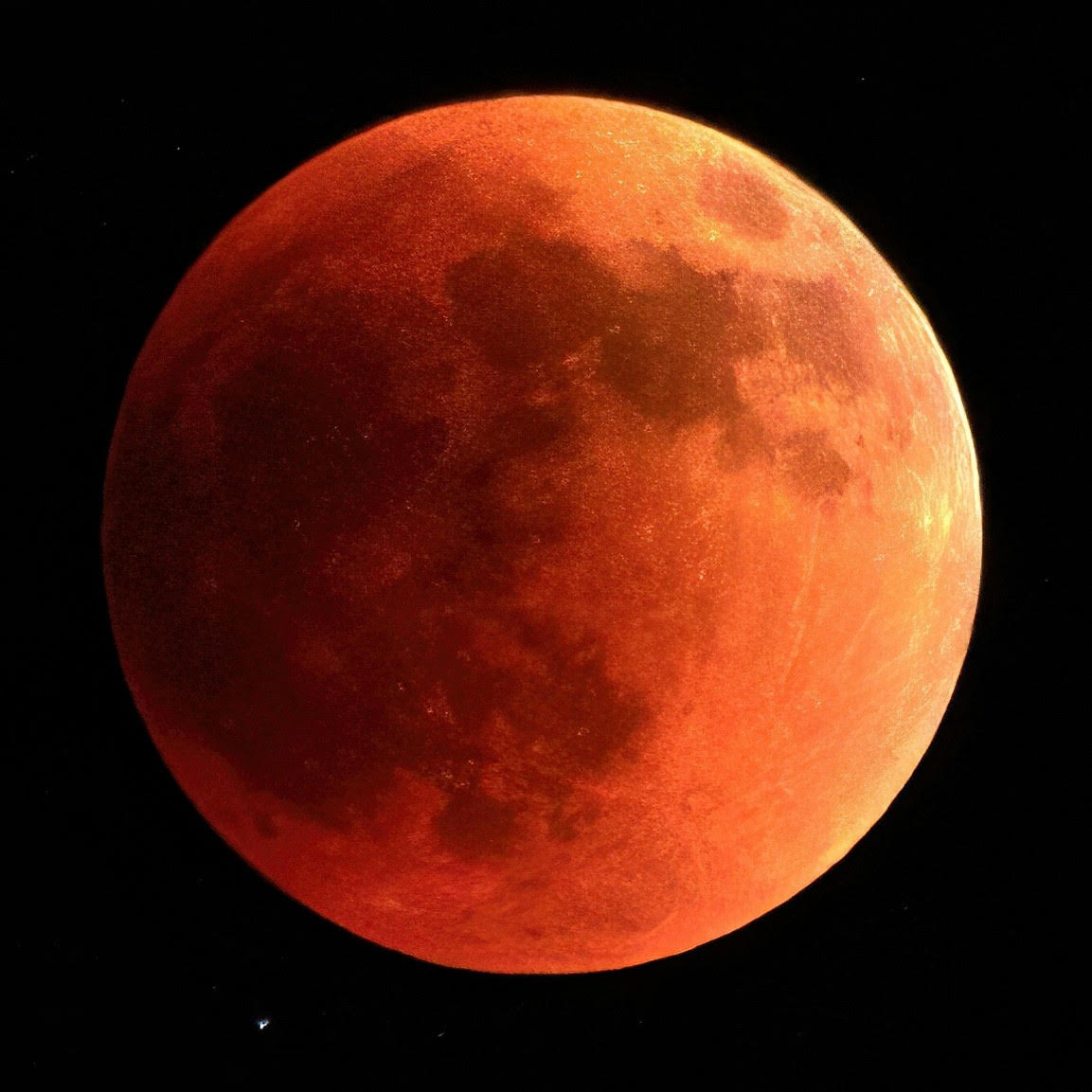
And lastly, on Aug. 23 at 2:06 a.m. ET there will be a black moon. According to Time and Date, this is a seasonal black moon, meaning that it is a little rarer and occurs about once every 33 months. While it cannot be seen in the sky, it still holds significance in other cultures.
“Black Moons hold special significance to people who practice certain forms of Pagan religions and who believe certain actions become more potent when performed on the night of a Black Moon,” said Time and Date. “In recent years, the term has been made popular by social media, astrologers, and followers of the Wiccan religion.”