

Owners would need special permit to sell past midnight; second reading comes Tuesday
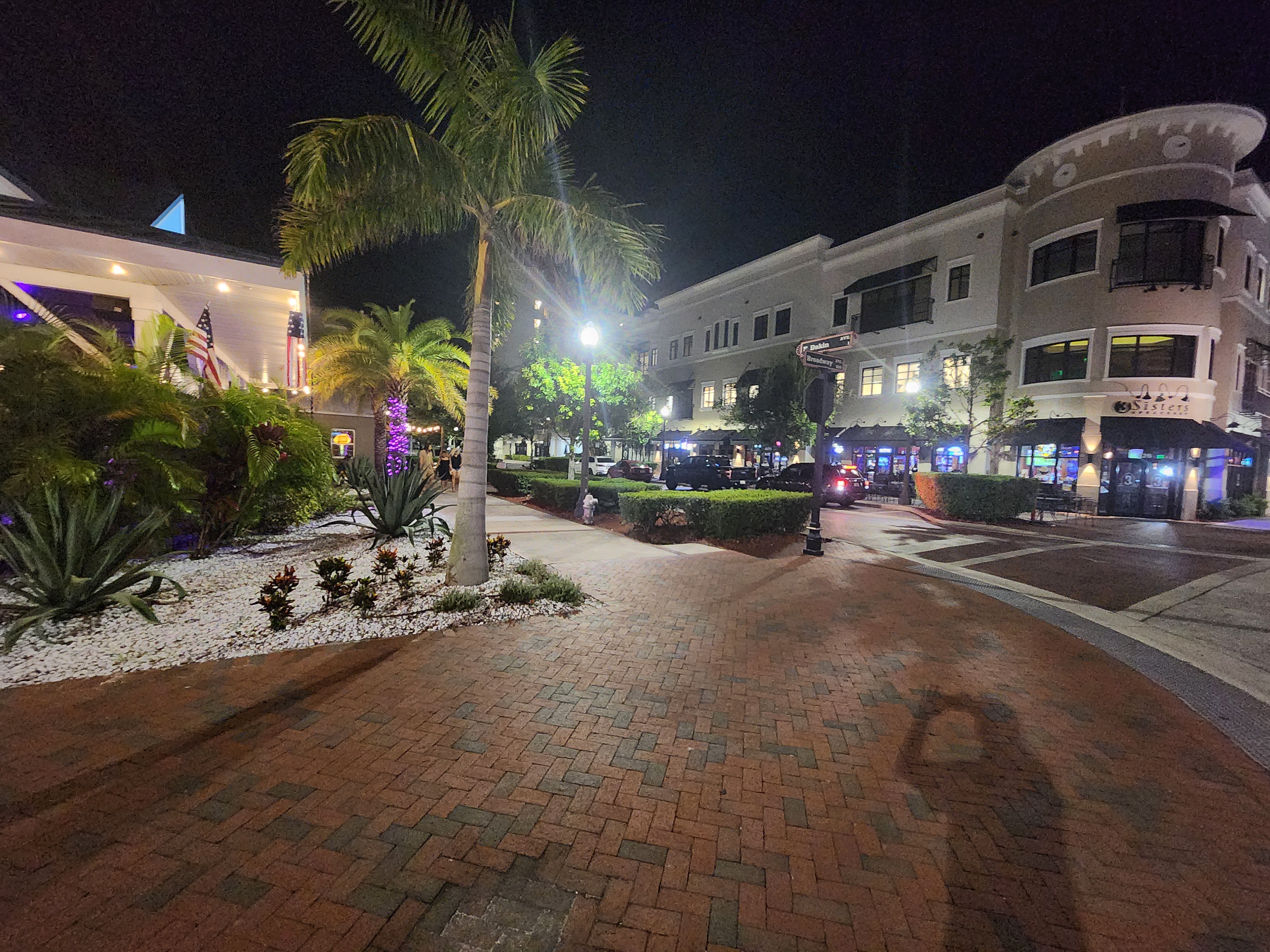
At a standing-room only meeting that had an overflow crowd into the City Hall foyer, the Kissimmee City Commission took up three contentious topics Tuesday during a nearly five-hour meeting.
The finale was the first reading of an ordinance that would require downtown establishments that want to sell alcohol after midnight to apply for and acquire a $250 special annual permit. It passed 4-1, with Commissioner Janette Martinez voting against it. The second reading that would make it official comes at Tuesday's Commission meeting at 6 p.m. at City Hall.
City officials also chose proposals from Azure Hotel International and Skyview Companies to develop hotel, mixed use and condominium complexes at the current site of the Kissimmee Civic Center and Toho Square in downtown. Members of a local hospitality workers union turned out en masse to support the project opposite of the Skyview project – and oppose the Skyview plan by protesting against it before the meeting – to be built on the current site of the city’s Toho Square parking garage.
A third topic, revising noise ordinances for downtown and the rest of the city, will come back at the July 15 meeting, as Mayor Jackie Espinosa called the topic “contentious” and said she didn’t want a vote to come until there was more consensus from business owners.
Many of those same owners, who have downtown establishments, came out Tuesday to speak on the alcohol sales ordinance, which was just in its first reading and would become official with a second vote on July 15 and go into effect on Oct. 1.
According to the city ordinance, businesses applying for the special permit would be required to adhere to all codes and requirements. City Manager Mike Steigerwald stressed the ordinance is not like one passed in Orlando requiring bars that serve past midnight to hire additional security.
For establishments that break this new rule – selling after 2 a.m. and selling liquor with just a “beer and wine license”, which some say are problems in downtown, or selling after midnight without the special permit – police can suspect sales, and a business’s liquor license can be pulled after a second violation.
Voices were mixed on the idea. While some said ending alcohol sales earlier enhances safety, some merchants said sales after midnight represent a significant portion of their sales, and changing the landscape will make places like Lake Nona more of an entertainment destination than the downtown Kissimmee business district.
Commissioners said their main concern in passing the ordinance is safety, as a pair of shootings, one on May 6 that left two people shot, one in the head, after they spilled out of a Dakin Avenue bar.
“Don’t punish business owners and employees for the actions of criminals,” said restauranteur Zach Parsons.
“People have made investments in downtown businesses, and now the rules are changing,” said Kristen Spivey.
Espinosa spoke as the mayor, and as a downtown business merchant. She noted the state of Florida cuts off alcohol sales at midnight, but local municipalities can create a local extension; Kissimmee’s has been on the books since the 1960s or ‘70s. Her comments got heated, airing frustrations that some businesspeople have been taking the wrong facts to local TV media, who have been airing such facts, such as the $250 fee would be charged weekly or monthly.
“We want businesses to make money, but we want prudent businesses,” she said. “And we have the right to close at midnight. My job is to keep Kissimmee open for business.
“We’re bitching about $20 a month, but we have to hear that the City Commission is trying to shut down businesses, and our reputation is getting damaged. We’re paying so (police) can monitor about 12 businesses.
Ray Parsons, owner of Breeze and 1881 on Dakin Avenue, asked commissioners to let proposed changes to its noise ordinance and a proposed Broadway streetscape project set to begin next year take effect first.
“I live downtown and I can already see changes starting,” he said. “Let’s wait and evaluate how those change things before we do this.”