

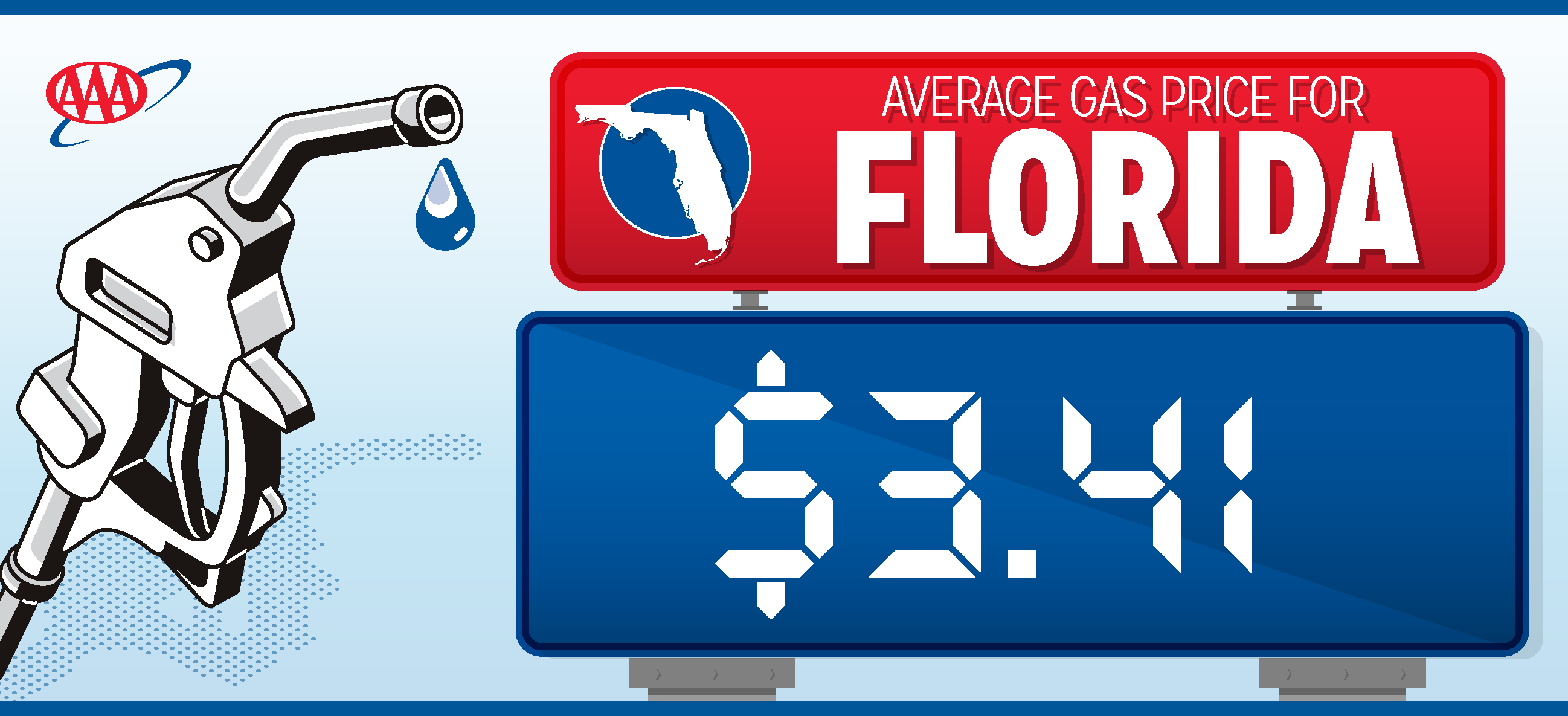
Florida gas prices are still declining as nearly 2.4 million Floridians prepare to travel for Memorial Day weekend. Florida gas prices have declined 31 cents per gallon over the course of the past 30 days, down to $3.39 per gallon of regular unleaded statewide as of Tuesday morning, and just $3.30 here in Osceola County. During the past week alone, the state average declined 9 cents per gallon.
"It's looking like Florida drivers will spend a dollar per gallon less for gasoline than they did last Memorial Day weekend," said Mark Jenkins, spokesman, AAA - The Auto Club Group. "The state average should trickle even lower this week. However, even if pump prices do suddenly rise this week, it's unlikely it'd be by a large enough margin that Floridians would change their plans, since most travel plans have already been finalized by now."
So, are you heading out this long weekend? According to AAA's holiday travel forecast, more than 2.1 million Floridians will take a road trip. So make sure checking on your vehicle's condition is as important as planning what to do when you get to where you go, is the message from AAA.
A recent AAA survey found that 52% of Floridians plan to get a professional vehicle inspection before their summer road trips. A fifth of drivers (19%) will conduct their own inspection. However, 21% of Floridians say they have no plans to get a vehicle inspection before hitting the road this summer.
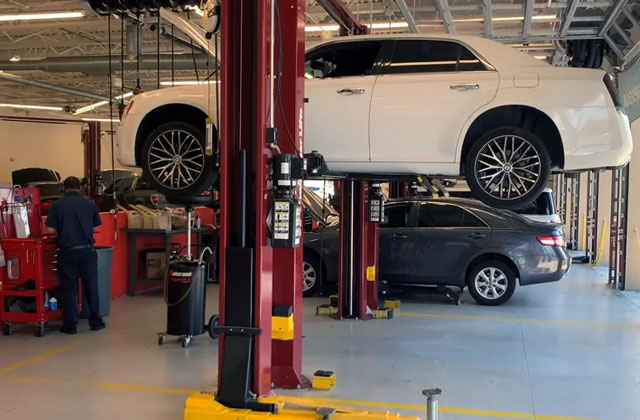
“A properly maintained vehicle is critical for a successful and safe road trip,” Jenkins said. “We encourage all drivers to get a pre-trip inspection of their tires, battery, breaks, fluids, and other basics. This could help prevent a breakdown before it happens.”
AAA Tips to Prevent Car Problems
- Check your tires – At minimum, AAA recommends checking your tires once a month and before taking a long trip. Pay special attention to both tire inflation pressure and tread depth. Be sure to inspect all four tires and the spare tire if your vehicle has one.
- Check your battery – The average car battery life is typically 3-5 years. If your engine is slow to start and/or your lights are dim, your battery may be nearing the end of its life. Visual signs of damage or corrosion are other indicators of deterioration. Drivers can ask for a battery check at a AAA Car Care Center or Approved Auto Repair Facility. AAA can also come to a member’s location to test and, if needed, replace the battery on site.
- Listen to and feel the brakes – If you hear a grinding sound or feel a vibration when applying the brakes, take your vehicle to an auto repair shop for a brake inspection.
- Replace wiper blades and replenish windshield cleaner – Rubber wiper blades naturally deteriorate over time. Most manufacturers recommend replacing them every 6-12 months. If wipers streak or fail to clear the windshield thoroughly, replace the blades.
- Top off engine oil and other fluids – Check that engine oil, coolant and brake, transmission and power steering fluids are at the correct levels for safe vehicle operation. When adding fluids, use products that meet the specifications listed in the owner’s manual.
- Replenish emergency kit supplies – AAA recommends keeping a well-stocked emergency kit in your vehicle. Include a flashlight and extra fresh batteries, first-aid supplies, drinking water, non-perishable snacks for people and pets, car battery booster cables, emergency flares or reflectors, a rain poncho, a basic tool kit, duct tape, gloves and shop rags or paper towels.
AAA Tips for Drivers with Car Trouble
- Safely pull over at the next exit or safe stopping point, if possible.
- If you must stop immediately, pull as far over on the shoulder as safely possible to create more distance between your vehicle and passing traffic.
- Turn your hazard lights on so other drivers are aware you are there.
- Call for assistance via phone, website or the AAA Mobile app.
- Remain with your vehicle as long as it’s safe to do so.
- If getting out of your vehicle, watch the oncoming traffic for a good time to exit, and remain alert and close to your vehicle. Avoid turning your back to traffic whenever possible.