

My grandfather, who I call Poppy, was diagnosed with melanoma skin cancer. My search for a cure to heal my Poppy, has become my passion to bring awareness to others about the disease known as skin cancer.
My Poppy Jack Dougherty, a former Air Force officer, 85 years old, shares his story of battling skin cancer in the hopes of raising awareness about the importance of sun protection.
“The dermatologist called after the appointment, informing me I had melanoma; a 0.75 cm, which was very small, at a stage 1A on top of my head on Aug. 28, 2007,” he recalled. “To date I have had over 20 surgeries to remove skin cancer, melanoma on my head a few times. Other skin cancers on my face, back and arms.
“The first surgery was very painful, I was shocked. They had to map my brain, the doctor used painful needles all over my head. I was in the Air Force in my younger years, I did a lot of things, but never have I felt pain like that.”
Jack gave this advice: “I use sunblock everyday, even in the rain. Everyone should use a strong blocker, a hat and seek shade. Don’t use a tanning bed, that is a definite no. Be smart, speak to your doctors. I wish I knew then what I know now.”
Skin cancer is the most common cancer type, appearing as basal cell carcinoma, squamous carcinoma, and melanoma. It involves abnormal growth of the skin cells. Sun exposure is a leading cause despite other causes. While it can turn fatal, patients who get diagnosed while at early stages have higher chances of successful treatment. Therefore, skin cancer awareness to understand protection and the symptoms is crucial to ensure a healthier, skin cancer-free society.
According to the CDC, sunlight exposure is the leading cause of skin cancer. This is due to exposure to harmful ultraviolet rays. According to the US Food and Drug Administration Office of the Commission, these harmful rays are also present in tanning beds due to the lamps used, which damage one’s DNA and cause skin cells to grow uncontrollably. In addition, family genes also increase one’s risk of having skin cancer.
Given the considerable risk of exposure to UV rays, skin cancer can be prevented by using effective sun creams, covering more body parts outdoors, or even avoiding outdoors during midday hours when the rays are at their peak.
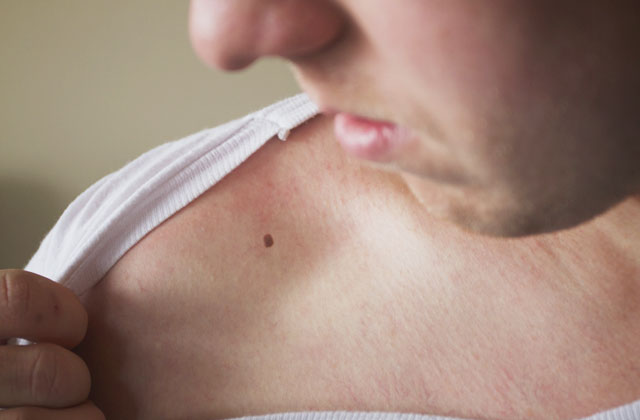
Early detection is vital in skin cancer treatment. People should be aware of their skin behavior, reporting any skin changes to the doctor. This includes growths, freckles, birthmarks, and existing moles. In a 2015 article, Dr. R. K. Voss, et al, say, “An early diagnosis might provide a 40.5% survival.”
Jacklyn Dougherty began researching skin cancer, when a diagnosis was given to her Poppy. Her research has turned to a passion to help educate others about skin cancer prevention. Dougherty currently blogs about Skin Cancer Awareness and Protection. Follow Dougherty’s story at www. JacklynDougherty.com.