

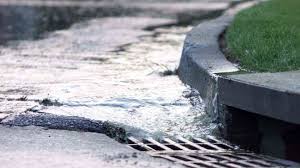
The 1980s was a decade of growth in central Florida made evident by the changes in land use from rural or undeveloped to a more urbanized landscape. Environmental regulations also changed to address the growing problem of stormwater runoff and those changes shaped the form and function of our current landscape.
Beginning in the mid-80s, new commercial and multi-residential developments were required to mitigate the negative impacts that more stormwater runoff caused on the surrounding environment. State and local agencies began to require most new developments to build stormwater management ponds onsite to capture the extra runoff caused by the loss of open space. These ponds are still required today and new technologies have created alternative methods to capture and store stormwater runoff.
Most stormwater management systems fall into two design categories: Retention – holding all the runoff onsite so it will soak into the soil or Detention – storing all the runoff in a permanent pond while a planned amount slowly drains offsite. With either design, the development’s runoff is captured, stored, and water pollutants are removed. In most rain events, well-maintained stormwater management systems will prevent street flooding. It is important for owners and operators to understand the type of system they have and how it should be maintained.
Community involvement goes a long way in keeping stormwater management systems in prime working condition. Remember, nothing but stormwater runoff should enter storm drains. Discarded items such as litter, refuse, lawn clippings, waste oils, dirt, and recyclables should be collected and properly disposed of by your solid waste service. Dumping any kind of solid waste or non-stormwater related discharge into drainage ways or waterbodies is banned by the Osceola County Code of Ordinances. Keeping these materials out of the overall stormwater system helps prevent blockages in driveway and road culverts and reduces premature sediment build-up in streams and ditches.
Stormwater management systems and drainage ways are critical to combat the risk of flooding. You, the citizen, have an opportunity to participate in the ongoing efforts to keep these systems and our county’s creeks, streams, and ditches flowing freely. Simply abiding by the established ordinances in Osceola County is a good start. Residents may also take part in community clean-up events held in various places in the county. Clean-up events are often announced on the County’s social media platforms.
More information on proper waste disposal and Osceola County’s solid waste services is available by visiting: https://www.osceola.org/agenciesdepartments/publicworks/solid-waste/, or call 407-742-7750.