

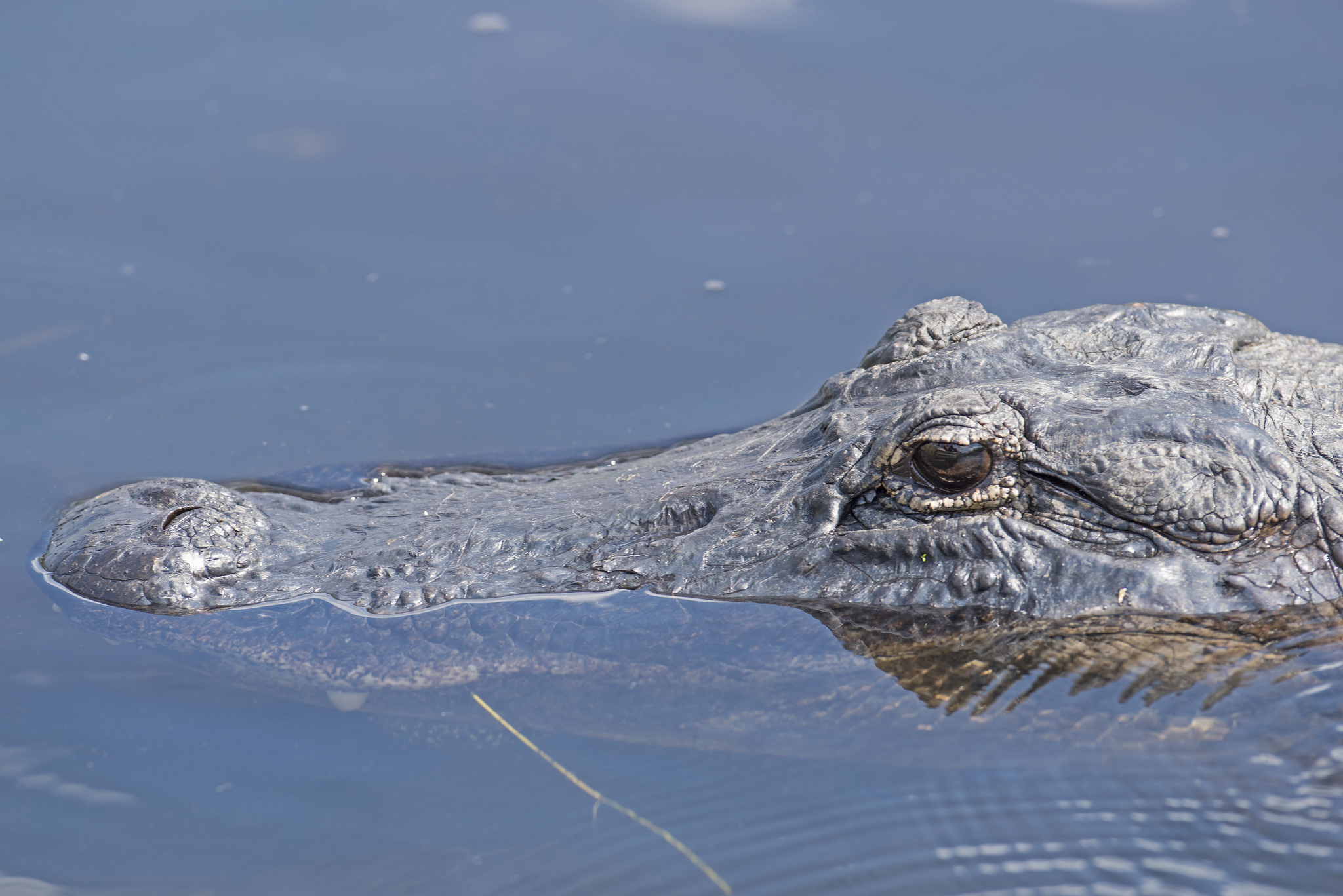
In Florida, many people work and recreate near lakes, rivers and wetland areas -- otherwise known as the living room for alligators. Warm temperatures also mean alligators are more active and visible. n
While serious injuries caused by alligators are rare in Florida, now is a great time for those in-the-know -- the Florida Fish and Wildlife Conservation Commission (FWC) -- to share a few simple alligator safety tips and precautions with friends and family when in and around the water to prevent conflicts with the reptiles.
- Keep a safe distance if you see an alligator, and make sure pets are on a leash and away from the water’s edge. (Pets often resemble alligators’ natural prey. Allowing your pet in the water for even short periods to cool off or play can result in its death.)
- Never feed an alligator. When fed, alligators can lose their natural wariness and instead learn to associate people with the availability of food. This can lead to dangerous circumstances for yourself and other people who could encounter the alligator in the future. As well, feeding alligators is illegal in the state of Florida. If you see someone feeding an alligator, call FWC’s Wildlife Alert at 888-404-FWCC or visit MyFWC.com/WildlifeAlert.
- Swim only in designated swimming areas and during daylight hours. Alligators are most active between dusk and dawn.
- Call the FWC’s Nuisance Alligator Hotline at 866-FWC-GATOR (866-392-4286) if you believe an alligator poses a threat to people, pets or property and the FWC will dispatch a contracted nuisance alligator trapper to resolve the situation. The FWC places the highest priority on public safety and administers a Statewide Nuisance Alligator Program (SNAP) to proactively address alligator threats in developed areas, while conserving alligators in areas where they naturally occur.
The American alligator, Florida’s state reptile, is a conservation success story. Thanks to coordinated efforts to manage the population, Florida has a healthy and stable alligator population, which is estimated at 1.3 million alligators of every size. They are found in freshwater lakes, ponds, swamps and slow-moving rivers in all 67 counties in Florida.