

At its July meeting, the Florida Fish and Wildlife Conservation Commission (FWC) approved new rules that could apply to local boaters and fishermen.
FWC established a statewide Vessel Turn-In Program (VTIP) as part of the Derelict Vessel Prevention Program. The new rule will create a voluntary program to remove at-risk vessels before they become derelict, which helps Florida’s environment and public safety, as these vessels cause the destruction of valuable seagrass resources and endanger marine life. They can also threaten human life and safety as they drift on or beneath the surface of the water or block navigable waterways.
“Commissioners receive numerous contacts from the public about derelict vessels and I know the establishment of this new program will really make a difference,” said FWC Chairman Rodney Barreto. “We’ve received the resources and the legislative support to make this program a reality.”
Derelict vessels are more costly and complicated to remove than at-risk vessels. The VTIP will prevent at-risk vessels from becoming derelict by removing them from the state’s waters, which will result in cost savings for taxpayers and ultimately fewer of these vessels appearing on Florida waters. The VTIP is designed to allow owners of vessels at risk of becoming derelict the ability to voluntarily turn the at-risk vessel over to the state for removal and destruction.
“Removing at-risk vessels from Florida’s waterways before they become derelict is not only a win for the environment but also for public safety, taxpayers and the vessel owners,” said Col. Roger Young, director of the FWC Division of Law Enforcement.
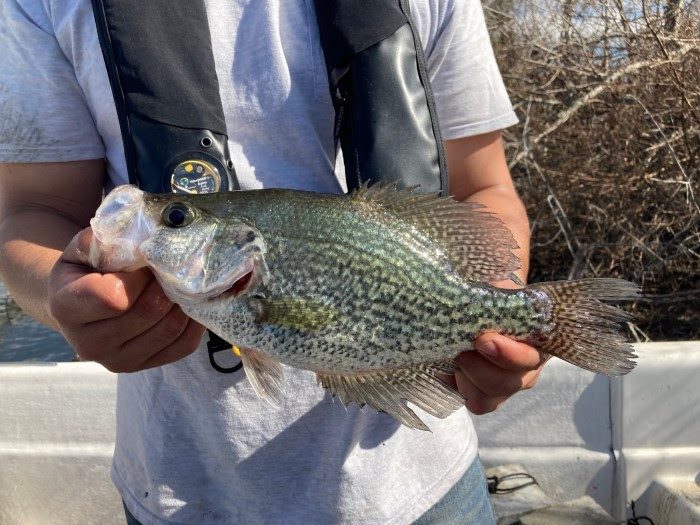
New black crappie fishing regulations of Lake Jackson: the FWC also
approved changes to size and bag limits for black crappie on 10 specific Florida water bodies, including Lake Jackson, located between Lake Kissimmee and Lake Marion in south Osceola County.
The changes remove length and bag limits to revert to the statewide regulations of no minimum length limit and a 25-fish bag limit.
“This is an excellent example of how we have been working to improve fishing access to the public,” Barreto said.
FWC staff completed a Black Crappie Management Plan in 2019 that called for a comprehensive review of black crappie regulations. Biological data indicated that minimum length limits would not improve most fisheries across the state and would unnecessarily restrict angler harvest opportunities. Therefore, no statewide length limit was proposed.
If you have questions about the proposed rules or the Black Crappie Management Plan, send an email to Crappie@MyFWC.com. Visit MyFWC.com/CrappieManagement for more information.