

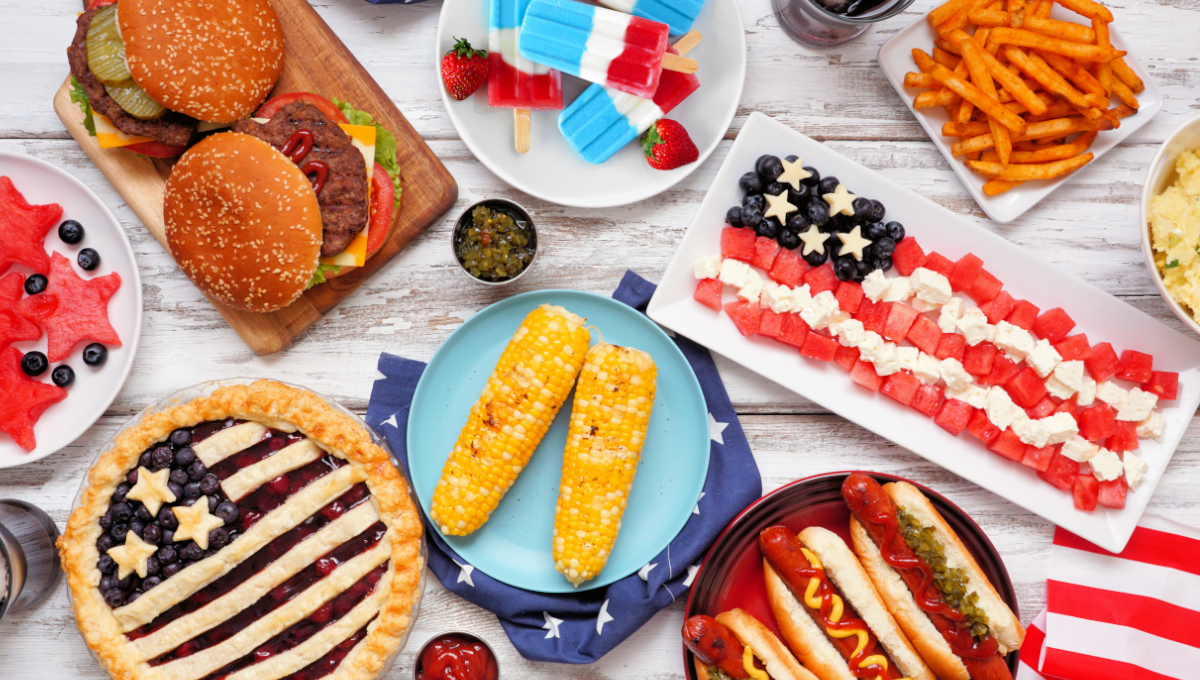
The Florida Department of Agriculture and Consumer Services (FDACS) Division of Food Safety is encouraging Floridians to celebrate safely, sharing food safety tips in preparation of cookouts and other food-focused gatherings over the long weekend.
“As you break out the grills this Independence Day, don’t forget nothing ruins a party like food poisoning,” said Florida Commissioner of Agriculture and Consumer Services Nikki Fried “When gathering with your friends and loved ones this weekend, please be wary of the dangers presented to yourself and your community by unsafe food preparation.”
Tips to Avoid Foodborne Illnesses
Consumer research by the U.S Department of Agriculture (USDA) has shown many Americans skip basic steps to protect themselves from foodborne illnesses. FDACS and the USDA recommend the following food safety tips:
- Wash your hands. You should have been doing this as a rule the last two years anyway! Poor handwashing not only leads to foodborne illness but can contribute to the spread of many other illnesses, such as Covid. In a recent study by the USDA, 56 percent of participants did not attempt to wash their hands when preparing a meal. Additionally, of those who did wash their hands, 95 percent of participants failed to do so adequately. The most common problem? Failing to wash for at least 20 seconds. Make sure you follow the five steps for proper handwashing: wet hands, lather and scrub with soap for 20 seconds, rinse, and dry.
- Don’t forget the food thermometer. Most people know that cooking food to a proper internal temperature reduces the threat of foodborne illness. Unfortunately, only 55 percent of participants used a food thermometer when grilling. The only way to guarantee a proper temperature is to measure. Make sure the following internal temperatures are reached:
- Beef, pork, lamb, and veal steaks: 145 F, with a 3-minute rest
- Fish: 145 F
- Egg dishes: 160 F
- Ground meats (beef, pork, lamb, and veal): 160 F
- Poultry (whole or ground): 165 F
- Limit opportunities for cross-contamination. Much of the illness-inducing bacteria living on raw meat and poultry is easily removed through high heat, however, it is important to make sure bacteria is not spread to other foods that may be consumed raw or at a lower internal temperature. In the most recent USDA study, a third of participants were found to have contaminated plates and cutting boards during food preparation. The safest course of action is to use separate cutting boards for raw meats and always wash your hands before handling other utensils or food products.
- Store your leftovers safely. FDACS Division of Food Safety encourages you to refrigerate any leftovers within two hours to decrease the risk of foodborne illness. Divide large amounts of leftovers into shallow containers for quicker cooling in the refrigerator. If you are taking leftovers home with you, be sure the food goes in the refrigerator as soon as you get home!
For more summer food safety resources, including cooler and grill safety measures, visit the FDACS Division of Food Safety website.