


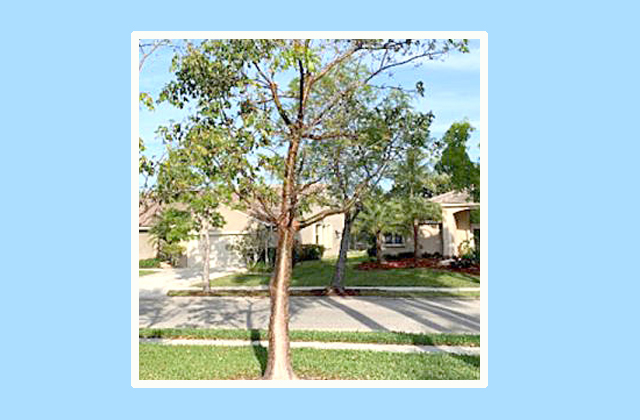
Trees are one of a homeowner’s most important assets. They provide beauty to our neighborhoods enhancing property values, shade to cool our homes reducing our energy bills and plentiful oxygen for us to breathe. Trees also mitigate climate change by trapping greenhouse gasses and provide critical habitat for birds and wildlife.
But to remain safe and healthy through a wind storm, our trees need periodic pruning to improve their ability to tolerate high winds. Now is the time to prepare them for the upcoming hurricane season.
Here’s a place to start, some tips and considerations for preparing your trees:
- Remove severely damaged and potentially hazardous trees from your property: If you have trees that are in poor condition, leaning towards buildings or other targets needing protection, consider having them removed. A certified arborist can assist in making removal/remediation decisions. Some signs to look for are large dead or dying branches, damaged or decaying roots and cracks or rot in the trunk. Trees that were seriously abused in the past by being hat-racked (topped) or severely over lifted should be evaluated, as these may be prone to breakage during high winds.
- If you hire a professional tree service, do some homework: Just as with electrical, construction, plumbing and other work done on our homes, there are established industry guidelines and municipal codes that must be followed to ensure quality work and a safe product. Be sure that your tree service does quality work (get referrals) and is licensed and insured. Ask to see their credentials, just as you would any other professional. Improper tree pruning is a liability for you and your family.
- Correcting structural defects in the canopy is key to improving wind tolerance: Many trees that broke apart during past hurricanes did so because of poor structure such as co-dominant leaders with bark pinched inside the crotches (a pocket located at the bottom of a point of connection, between two or more tree limbs or trunks). This can be corrected Through structural pruning: shortening co-dominant leaders, or and in some situations completely removing them, until the tree has one strong, dominant trunk.
Following these guidelines is no guarantee that your trees come through future storms without any damage. However, such management practices improve their chances for survival, reduce potential liability and decrease overall maintenance and replacement costs.
Co-Authored by
Dr. Michael Orfanedes and Donna Torrey