

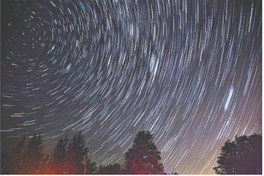
Grab binoculars or a telescope and look to the heavens
Attention fellow stargazers! Don’t miss the chance to see two celestial events before the end of the month.
April 23 is the final night to catch the Lyrid Meteor Shower over Kissimmee, followed by the closest approach of Comet C/2025 R3 on April 27.
The Lyrids, named for the constellation Lyra, have been captivating observers for millennia; ancient Chinese records first documented them more than 2,500 years ago.
Following the meteors, NASA officials say Comet C/2025 R3 will make its closest approach to Earth on April 27, coming within 44 million miles of our planet. Look toward the eastern sky near the constellations Pegasus and Pisces. The comet is expected to reach Magnitude 8, so you will likely need binoculars or a telescope to spot it. Northern Hemisphere viewers can catch it before dawn through late April.
Whether you are hunting for meteors or tracking a comet, these tips from Time and Date can help you make the most of the experience:
Escape the Glow: Head to a remote location far from city light pollution (A good one in Osceola County is north Nova Road near the Deseret land). Give your eyes about 20 minutes to fully adjust to the darkness once you arrive.
Prioritize Comfort: Dress for the weather and bring a chair or blanket. Since spotting shooting stars is a waiting game, you’ll want to stay cozy for the long haul.
Get a Wide View: Lie flat on your back to take in as much of the sky as possible.
Locate the Radiant: Use a sky map to find the “radiant” (the point where the meteors seem to start). The higher this is in the sky, the more meteors you are likely to see.
Look Everywhere: Even though they seem to stem from the radiant, meteors can flash across any part of the sky—so don’t keep your gaze too fixed on one spot.
So, grab your gear, find a dark patch of sky, and prepare to witness a celestial tradition that has connected us to the stars for thousands of years.