

Friday is National Gingerbread House Day
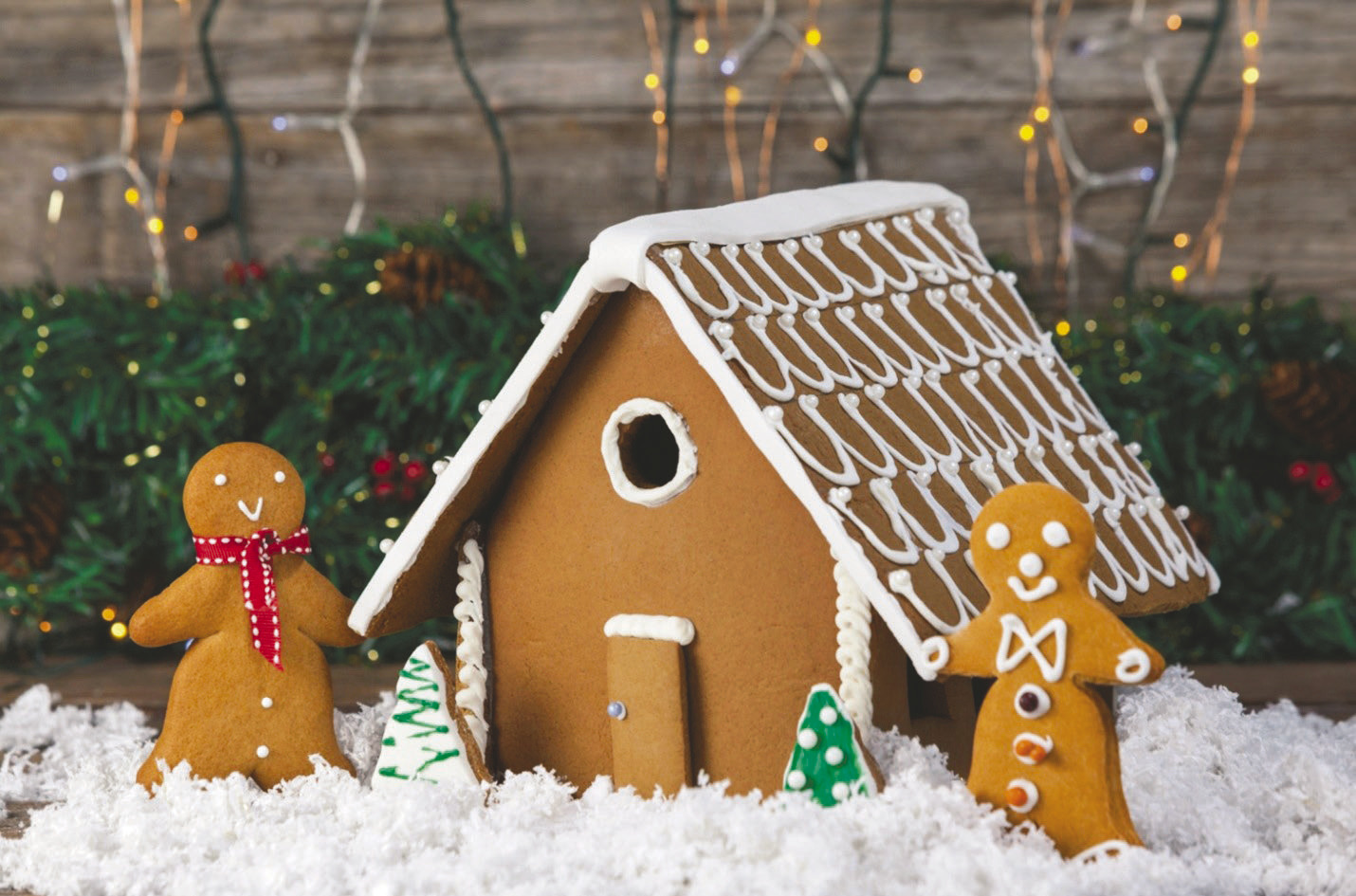
From Grimm’s dark woods to cozy kitchens, gingerbread houses still deliver a magical, delicious dose of holiday cheer.
As families gather as the holidays near, wrestling with structural icing and debating the perfect gumdrop placement, few realize their cozy Christmas craft has roots in a darker tale of famine, abandonment, and a hungry witch.
The history of the gingerbread house is directly tied to the Brothers Grimm’s 1812 collection of fairy tales, specifically “Hansel and Gretel.” In the famous story, two children are abandoned in the forest by their impoverished parents and stumble upon a magical little cottage. While the evil witch who inhabited it was certainly tempting the children, the original German text by Jacob and Wilhelm Grimm describes the structure as having bread walls, a cake roof, and sugar windows—not gingerbread.
So, how did cake walls become gingerbread?
Following the publication of “Hansel and Gretel,” German bakers in the early 1800s were inspired to recreate the edible house, according to Osceola History. The bakers began crafting the fairy-tale homes out of gingerbread, decorating them lavishly with candies and frosting, cementing the spice cookie as the official building material for the holiday tradition.
The final push that cemented the gingerbread house in the global imagination came in 1893 with the German opera “Hänsel und Gretel” by Engelbert Humperdinck. The popular, festive opera featured the witch’s house prominently, and to simplify the stage design and capture the holiday essence, it was explicitly identified as a gingerbread house.
Whether you choose to embrace the history of the Grimm fairy tale or simply enjoy a delicious holiday craft, you can join millions in celebrating the tradition on National Gingerbread House Day on Friday, Dec. 12.