

Richard Rosario was featured in national media in case
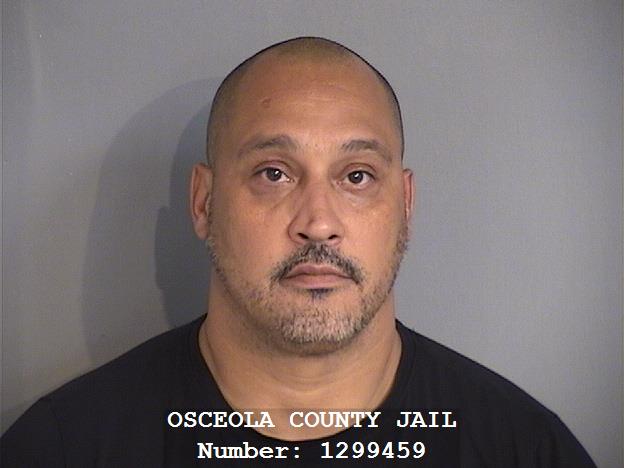
A Kissimmee man who became a national symbol of wrongful conviction has been arrested in Osceola County for attempted murder.
Richard Rosario, 49, was arrested July 31 and is being held without bail on charges of attempted murder, discharge of a firearm from a vehicle, discharge of a firearm in public and shooting into a vehicle. He faced a judge at a Tuesday morning hearing.
According to the Osceola County Sheriff’s Office, the incident occurred on July 29 at about 4 p.m. on South Poinciana Boulevard near Crescent Lakes Way. Investigators say Rosario was driving a Jeep Wrangler behind a sedan driven by a 29-year-old man when “aggressive driving” occurred between the two vehicles. The victim reported hearing thumping sounds, then feeling a burning sensation on his neck. Deputies say multiple shots were fired at the sedan, with one bullet grazing the neck of the victim who declined medical treatment.
Detectives later located the Jeep and arrested Rosario on a warrant. The investigation remains ongoing, and authorities are asking anyone with information to contact the Osceola County Sheriff’s Office.
Rosario made national headlines in 2016 when he was freed from a New York prison after serving 20 years for the 1996 killing of 17-year-old Jorge Collazo in the Bronx. He had been sentenced to 25 years to life.
Prosecutors agreed to vacate his conviction after a review found his trial attorney failed to interview 13 alibi witnesses — including a sheriff’s deputy, pastor, and federal corrections officer — who all said Rosario was in Deltona at the time of the shooting. During a Bronx court hearing when prosecutors moved to dismiss the indictment following his release, Rosario made the unusual request that the case remain open so investigators could find the real killer.
“The families of the victim should have that clarity and that peace of mind … that their son received the justice that he deserved,” Rosario told NBC News.
According to various news reports, prosecutors relied solely on two eyewitness identifications at Rosario’s 1998 trial. There was no physical or forensic evidence linking him to the crime. The defense called only two alibi witnesses — a friend and his fiancée — who testified Rosario was in their home because their child was born the day after the murder.
Years later, the nonprofit Exoneration Initiative uncovered evidence that police had withheld information favorable to the defense, including a witness who initially said he did not see the shooter and accounts suggesting the victim was targeted, yet had no known links to Rosario. Investigators also misled one eyewitness into believing another had identified Rosario.
Rosario’s release sparked widespread media coverage, including NBC’s Dateline docuseries Conviction and its podcast 13 Alibis, which examined the case and questioned the reliability of eyewitness testimony. He later won a $5 million jury award in a federal civil rights lawsuit against the city of New York.
Jorge Collazo Sr., the New York victim’s father and a retired New York transit police officer now living in North Carolina, was informed of Rosario’s arrest by contacts in Florida. He said he was “shocked” but not surprised to hear of Rosario’s arrest in another shooting.
“If a guy after 20 years can do something like that, then nothing is far-fetched,” he said.
Collazo Sr. said he never believed that Rosario was innocent of his son’s killing. He maintains that Rosario’s conviction was overturned because of ineffective legal representation, not a finding that he was wrongfully accused.
“The case wasn't vacated because he was innocent. It was vacated because they felt that it was improper representation,” he said, noting he long ago forgave Rosario.
If the Florida case goes to trial, Collazo said he will attend.
“I want to be there in court to look him in the face,” he said. “It’s not about vindication. It’s about karma — you do what you did, and now you’ve got to pay your dues.”