

Gas prices spiked at the end of last week — prior to Saturday's reported U.S. air strikes on Iranian nuclear weapon sites — and more could be in store depending on the response to the hostilities in the Middle East.
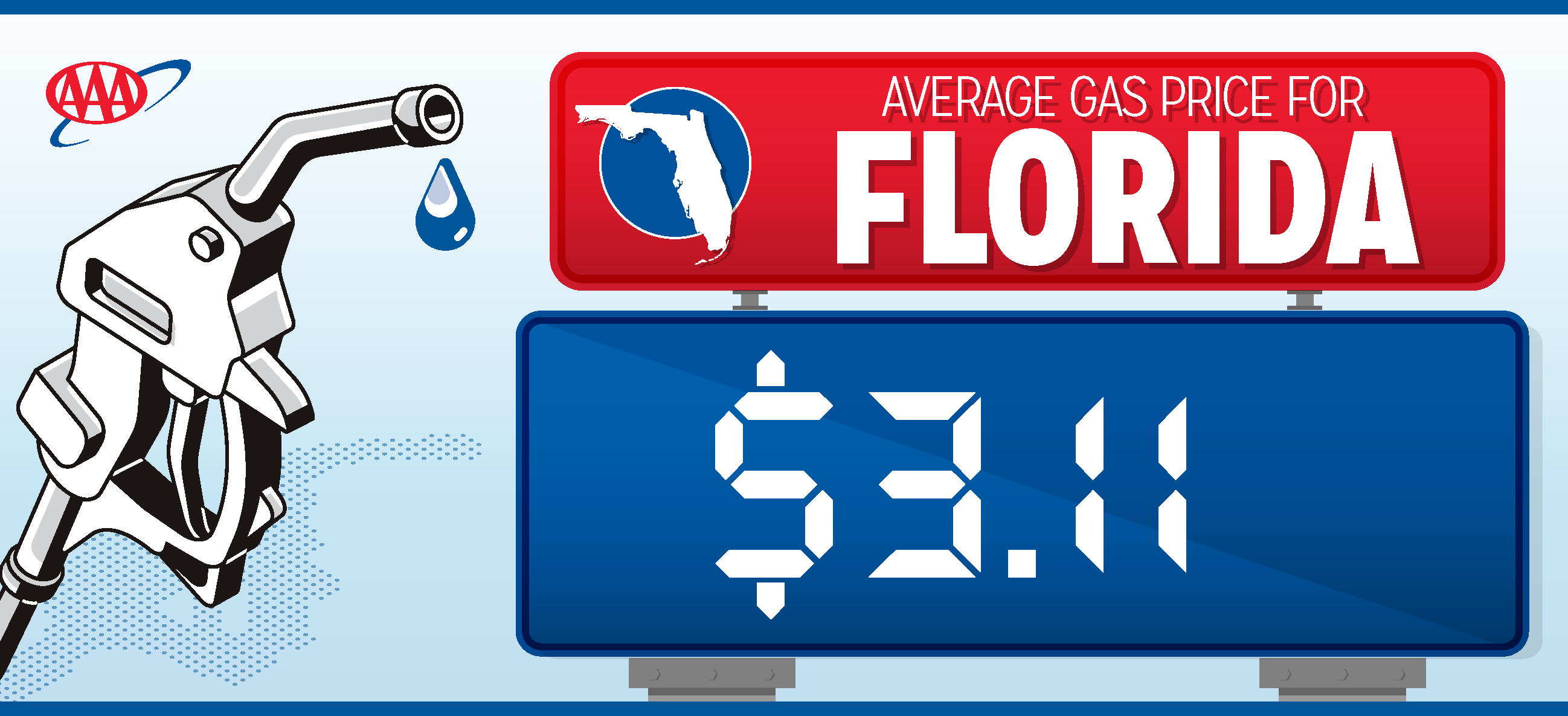
Florida gas prices jumped about 20 cents after falling below $3 as an average statewide, AAA said, and have settled at $3.11 entering Monday. Locally in Osceola County, the average of $3.11 is about the same it's been over the last week, but down a nickel over the last month, and we were paying $3.47 a gallon this time last year.
Now, to look forward. Ongoing tensions in the Middle East have added uncertainty to global and domestic gasoline market, AAA says, and U.S. airstrikes on Iranian nuclear facilities and Iran’s response prompted a modest rise in oil prices during early trading this week, though markets have since steadied.
Of particular concern is Iran’s threat to close the Strait of Hormuz — a critical passageway for about 20% of global oil shipments. While the Iranian Parliament voted in favor of the move on Sunday, the country’s Supreme National Security Council has not made a final decision.
Last week’s rising conflict between Iran and Israel had already pushed oil prices to their highest levels since January. On Friday, crude closed at $74.93 per barrel, up roughly $2 from the previous week. Following the weekend’s developments, oil prices fluctuated between $74 and $77 per barrel during overnight trading. By comparison, oil prices averaged $60 per barrel in May.
“Drivers in the U.S. could see higher prices at the pump if tensions persist or if oil flows are disrupted,” said Mark Jenkins, spokesman for AAA – The Auto Club Group. “So far, the impact has been measured, but market watchers are keeping a close eye on how things unfold in the coming days.”
So, fueling up now and conserving gas may not be the worst advice from experts.