

The Florida Fish and Wildlife Conservation Commission (FWC) is sharing the annual reminder that many native wildlife species are more active during this time of year. By becoming more aware of spring wildlife activity, Florida residents and visitors alike can help conserve our native species and reduce conflicts with them.
As spring brings warmer weather across the state, several species of wildlife become more active for migration, breeding, feeding and nesting. This increased level of wildlife activity means that people could be more likely to encounter wildlife and should take precautions to avoid disrupting these natural behaviors and prevent conflicts with wildlife.
Here’s tips on how to enjoy and help conserve Florida wildlife you’re likely to see in Osceola County during spring: Bats – Spring is when bats start to give birth and raise their young. Bat maternity season starts April 15 and runs through Aug. 15. During this time, it is illegal to block bats from their roosts. If bats are excluded during maternity season, flightless baby bats can be trapped inside the structure and die. Now is the time to do final spring checks of your home for any entry points, ensure that no bats are present and make any necessary repairs. If bats are found, you should take steps to properly install a bat exclusion device before bat maternity season begins. Exclusion devices, which allow bats to exit a structure but block them from returning to roosts, are the only legal and appropriate method to remove bats from your home or building.
Gopher Tortoises — Spring days are a good time to spot a gopher tortoise, as Florida’s only native tortoise becomes more active, foraging for food and searching for a mate. If you see gopher tortoises or their half-moon shaped burrow entrances, it is best to leave them alone. You can help a gopher tortoise cross a road by picking it up and placing it in a safe location along the roadside in the direction it was heading. But only do this if it is safe for you to do so and remember the tortoise is a land animal, so never attempt to put it into water.
Injured and Orphaned Wildlife - If you find a baby animal, it is best to leave it alone. Young animals are rarely orphaned; a parent may be nearby searching for food. You can report common wildlife you think could be injured or orphaned to a licensed wildlife rehabilitator.
Nesting Waterbirds - Keep your distance from birds on the beach or on the water. If birds become agitated or leave their nests, you are too close. Disturbance can cause birds to abandon their nesting sites, which exposes their eggs and chicks to predators, sun exposure and other harm. Because shorebirds and seabirds build wellcamouflaged shallow nests out of sand and shells on beaches, their nests, eggs and chicks are vulnerable to being stepped on unless people look out for them. Wading birds, such as herons and egrets, and pelicans also are nesting now on mangroves and tree islands.
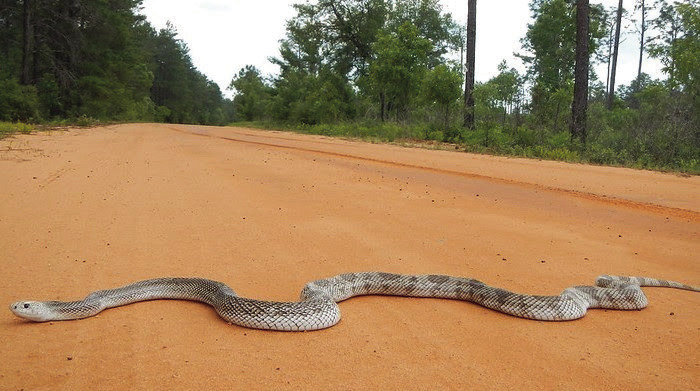
Snakes – Keep an eye out for snakes in your yard or when hiking, as they could be encountered more as the weather warms. What should you do if you come upon a native snake? Just give them space. Snakes don›t purposefully position themselves to frighten people and usually try to avoid encounters.
For more information on wildlife in spring, visit MyFWC.com/News and click on “Spring Wildlife News.”