
November is National Family Caregivers Month (NFCM), which recognizes and honors the work of caregivers. The observance focuses on increasing support for caregivers who are dedicating their lives to helping those who have difficulties, whether it be the elderly or disabled. Most caregivers are required to have around-theclock dedication, responsibility, scheduling, and organization, in providing firsthand care, while also taking care of themselves.
NFCM not only recognizes the love and sacrifice of over 50 million American caregivers, but also creates the opportunity for sharing their inspirational stories. We have an inspiring caregiver story with one of our own Osceola Council on Aging student interns, in which I wanted to share as an observance of NFCM.
“My name is Karen Brissett-Robinson, a graduate student at Barry University, currently interning with the Osceola Council on Aging as I pursue my master’s in social work.
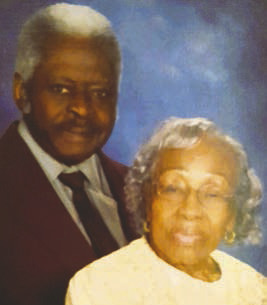
In 2009, my parents, who were 40 years older than me, began to show signs of declining health. By 2011, I realized I needed to take a more active role in their care. My father, though mentally sharp, was physically struggling, and my mother was showing noticeable signs of cognitive decline. At 44, I became their primary caregiver, overseeing every aspect of their care—medical, physical, financial, and emotional.
One of my first steps was becoming a power of attorney. The transition was not easy. I was married with a young child, and my husband was not entirely on board with me splitting my time between two households. But as he saw the emotional toll it was taking on me, he began to understand. Over time, my husband and I became co-caregivers. My husband adjusted his work schedule so he could take my parents to their appointments, as managing my father’s wheelchair on my own had become too much.
As their health deteriorated, we sought in-home nursing care but were unhappy with the quality. I took matters into my own hands, working with their insurance provider to find better resources. In retrospect, this was my informal training for social work, without guidance or a handbook.
Eventually, hospice care became necessary, and while my father initially resisted, he came to see how it would help me. I stayed with them until their last moments—my father passed away in 2017, and my mother in 2018.
My journey toward social work truly began during the COVID-19 pandemic. In 2020, my father-in-law experienced a rapid decline and passed away. Just five months later, my husband died suddenly. During my father-in-law’s illness, my in-laws did not know what questions to ask or how to navigate his care. This weighed heavily on me, prompting me to author a paper on the value of palliative and hospice care. I was in the middle of finishing my bachelor’s degree, fulfilling my promise to my father.
It was not until six months after my husband’s death that I seriously considered pursuing a master’s degree. I found a ‘post it’ note that my husband had left: “Don’t stop here, you need to continue so you can educate others.” His words became my inspiration. I look forward to walking across the stage to receive my MBA, in May 2025.
Caregiving often comes when you least expect it, so I advise preparing early. Pay attention to any signs of declining health in your loved ones and begin conversations about their medical, financial, and legal needs well before a crisis hits. Reach out for support from family, friends, or professionals because caregiving can be both emotionally and physically draining. Navigating systems like home care, insurance, and hospice can be complex, but staying persistent will help you find the right resources. Most importantly, remember to care for yourself. Take breaks when needed, ask for help, and prioritize your wellbeing alongside your caregiving responsibilities.
Talk to your loved ones about their preferences and your limitations; be ready to adjust as situations change. Approach caregiving with love and compassion so you can look back with no regrets. Caregiving is a learning process, and staying supported and educated makes all the difference for you and your loved ones."
I loved hearing Karen’s story and why it was so imperative to share it during NFCM. Karen’s story is one of many humbling experiences on caregiving, and the importance of being prepared if required to do so.
To learn more the Caregiver Action Network (CAN), a nonprofit organization who also leads the national NFCM observance. Go to https://www.caregiveraction.org/. CAN provides free resources, education, and peer support to family caregivers in need.