

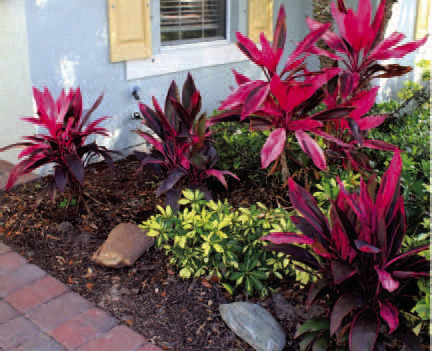
Even if our drought conditions improve — this week’s rain have helped, we need to look at options for saving water in the landscape garden. It never hurts to be ready for the next dry spell, and the month of May normally is a hot and dry one.
Does this mean that we have to design a yard that looks like the Arizona desert? No, we really don’t have to forsake all of our beautiful plants for cactus and succulents. In fact, we do have a rainy season, which many cacti would not be able to tolerate anyway.
We will start with some ideas designed to help you to cope with the plants that you already have. First, use mulch. This helps us to retain soil moisture by reducing evaporation. It also reduces soil temperatures and suppresses weeds.
Next, get rid of your weeds, which compete with your good plants for water as well as nutrients. If possible, pull the weeds out by hand, since herbicides are less effective when weeds are stressed and not growing as fast as usual. And it is always possible to damage good plants with herbicides on a windy day.
Then, postpone fertilization until after the drought ends. The plants do not need to be trying to make new growth when under stress. Rest will do them more good as they wait for better growing conditions.
Watch your plants carefully, and wait until they are showing signs of wilt or water stress before irrigating. Be sure to soak the plants well whenever you do water, in order to promote deeper roots.
The next option for water conservation in the yard would be to reduce the size of the lawn by putting out some drought resistant plants. These can be either native or non-native Florida-Friendly ones. Florida native plants have adapted to all of our peculiar problems and have been surviving for years without our help. Just be sure to pick ones that are native to dry sites and are not limited to wetlands. While some plants are able to tolerate both drought and standing water, not all of them have this attribute. There are also non-native Florida-Friendly plants which can be used successfully.
In any case, you can actually have a nice leafy green yard while saving water. Just remember that it takes about a year to get new plants established, and that you will want to water them more in the beginning.
To help you get started, here is a list of plants:
Native Trees — Bald Cypress and Pond Cypress (which tolerate both drought and flood), Yaupon Holly, Southern Red Cedar, Sweetgum, Seagrape, American Holly, American Elm, White Geiger Tree, Gumbo Limbo, Southern Magnolia, Slash Pine, Longleaf PIne, and Sand Live Oak. Sand Live Oak is a very excellent choice for most yards, being similar to Live Oak, but not as large, and more drought tolerant.
Other Trees — Crape Myrtle, Dwarf poinciana, jacaranda, Podocarpus, Banana Shrub, Jerusalem Thorn, Plumeria, Golden Trumpet, Pink Trumpet, Ligustrum, Sweet Viburnum, Awabuki Viburnum, Loquat. (Loquat looks as lush, thick, and green as any tree out there, and provides small edible fruits.)
Native Palms — Sabal Palm (our state tree), Dwarf palmetto, Saw palmetto
Other Palms — Chinese Fan Palm, European Fan Palm, Dwarf Sugar Palm, Canary Island Date, Edible Date, Senegal Date, Wild Date, Robellini, Pindo Palm, Washington Palm, Windmill Palm, Majesty Palm.
Native Shrubs — Firebush, Coontie, Beautyberry, Dwarf Yaupon, Coral bean, Marlberry, Simpson’s Stopper, Walter’s Viburnum, Varnish Leaf, Virginia sweetspire, Myrsine, Rusty Lyonia, Wild Olive.
Other shrubs — Bougainvillea, Golden Dewdrop, Jatropha, Dwarf Schefflera, Indian Hawthorn, Yesterday Today and Tomorrow (YTT), Pineapple Guava, Bush Allamanda, Thryallis, Plumbago, Tibouchina.
Native Groundcovers and Small Plants — Stokes Aster, Beach Morning Glory, Beach sunflower, Gaillardia, Butterfly Weed, Blue Porterweed, Powderpuff vine, Tropical Red Sage, Purple Coneflower, Spider Lily, Southern Shield Fern, Beach Verbena, Corky stem Passionflower.
Other small plants — Crinum, Croton, Hawaiian Ti, Golden Shrimp plant, Philodendron, Bird of Paradise, Cast Iron Plant, Agapanthus, Day Lily, kalanchoe, Scarlet Milk Weed, Sage, Yellow shrimp plant, Bulbine, Pentas, Rosemary, Flax Lily, Blackberry Lily, Society Garlic Ornamental Grass — Muhly Grass, Fountain Grass, sea oats, salt grass, cord grass.
If you are totally confused by now, you can check out the UF Florida-Friendly Guide to Plant Selection at this address for photos and more info! https://ffl.ifas.ufl. edu/ media/ fflifasufledu/ docs/FFL-Plant-Guide_ v03222022_web.pdf.