

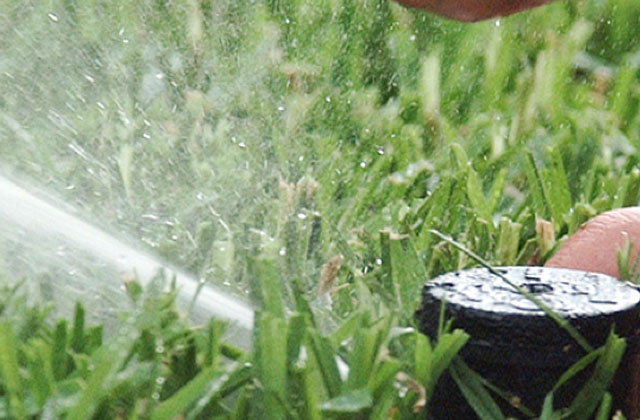
Rainfall shutoff devices are useful to the maintenance of plant health as well as conservation of water resources because they can assist in bypassing scheduled irrigations. Rain sensors are rain shutoff devices that are designed to pause irrigation when there is a significant amount of rainfall. The devices are inexpensive and save water when installed in automatic irrigation systems.
They detect when recent rainfall has supplied sufficient water to the landscape and when irrigation is not needed. In the state of Florida, the law requires that new automatic irrigation systems incorporate rain sensors; other states require that existing sprinkler systems include these devices.
Incorporating rain sensors in irrigation systems offer numerous advantages, including saving water and money. The devices interrupt any automatic cycles scheduled after enough accumulation of water has been achieved. Rain sensors detect measured amounts of rainfall that can be used in irrigation decision making. They additionally reduce wear and tear on irrigation systems and are useful in the prevention of issues and plant diseases caused by overwatering. Rain sensors are relatively easy to install. To ensure their effectiveness, rain sensors should be mounted in open areas such as rooflines or on tall fences where there are no restrictions from sensing rainfall by impediments like awnings and tree limbs. Rain sensors should additionally be mounted high enough that the irrigation system does not interfere with the device. They do require regular cleaning, especially on their funnels, to remove debris usually created by birds and trees. It is advisable to test run these devices occasionally each year. They should function optimally, cleaning, repair, or repositioning might be required or in some cases, they might need to be replaced.
If you want to learn more about rain sensors and other gardening topics, contact Eva Pabon, Residential Horticulture agent at UF/IFAS Extension Osceola County at epabon5@ufl.edu.