
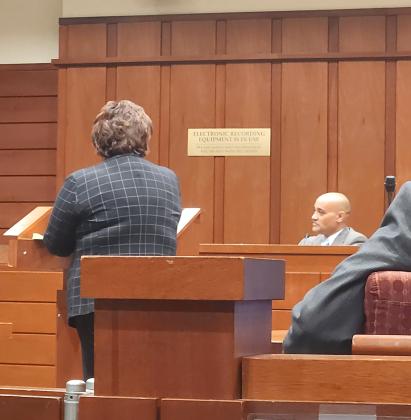
A jury of four men and four women found Osceola County School Board member Julius Melendez not guilty of battery Tuesday in a case brought by a then 18-year-old woman who accused him of making unwanted romantic advances, and then kissing her after she asked him not to. The misdemeanor trial,…

The Rotary Club of Kissimmee West has announced the winners of its Virtual Art Contest with the School District of Osceola County. Elementary, middle and high school students contributed 540 entries for the Virtual Art Contest. From there, the public was asked to go online and vote for their…

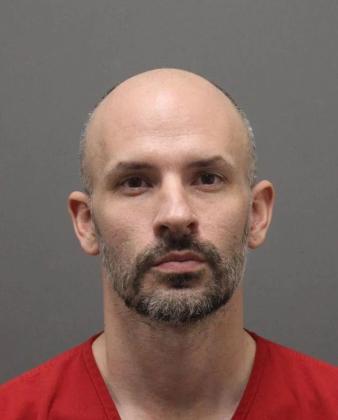
The Florida Department of Law Enforcement (FDLE) and the Virginia State Police Northern Virginia/DC Internet Crimes Against Children (ICAC) Task Force are seeking the public’s help for information about Jason Robert Fragale, 38, of Kissimmee, and Leesburg, Va. Fragale was arrested on Jan. 20 at the…

Looking for a job? Join district 3 County Commissioner Brandon Arrington for an Osceola County hiring event on Tuesday, May 7 from 9 a.m. to 2 p.m. at the Valencia College Poinciana campus to learn more about open positions within the County government and apply for jobs. For more information on…
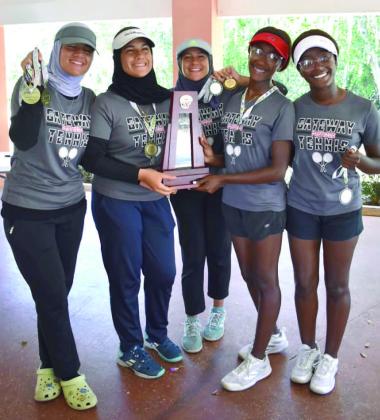
For the first time in school history, Gateway is sending a tennis team to the FHSAA state tennis championship.The Lady Panthers advanced to this week’s Class 3A tournament after capturing both district and regional championships. Gateway, which finished second to Class 4A Celebration at the Orange…
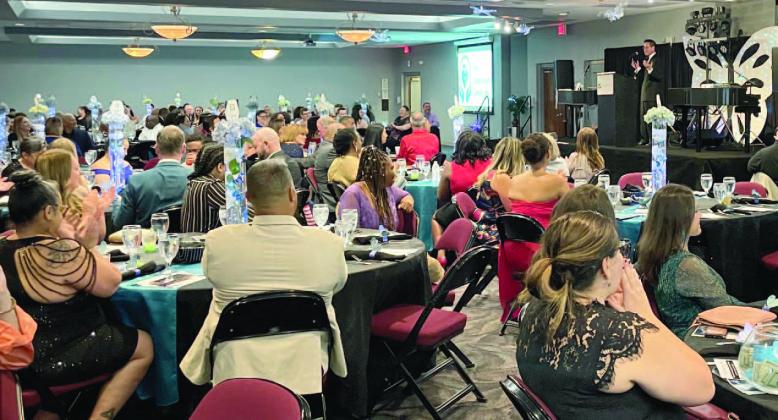
The Opportunity Center, which works to empower individuals with developmental disabilities in Osceola County by assisting with employment, training and community integration, held the inaugural “Wings of Opportunity” Gala on Saturday.Touted as, “An evening of elegance, inspiration, and community…
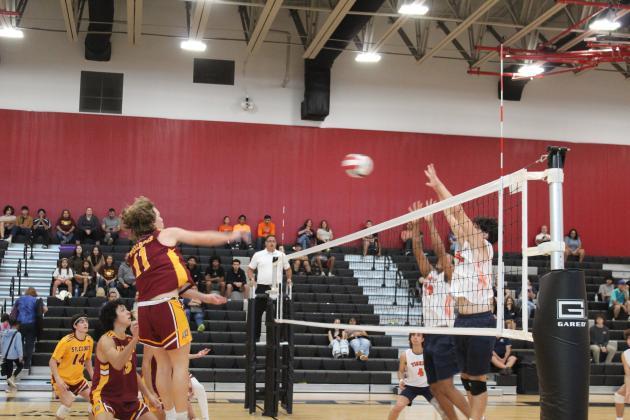
By Thamely SantosFor the News-GazetteTuesday night, at the District 10 boys volleyball district tournament semifinals at St. Cloud, the host Bulldogs and Poinciana displayed a tremendous amount of talent, winning matches to get them to Thursday's championship game.The Poinciana Eagles faced the…
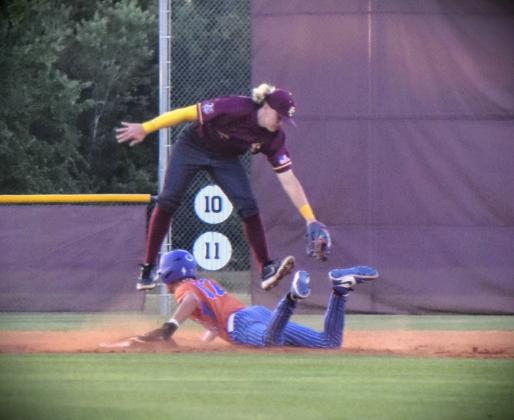
Iziah Santiago delivered a two-out, RBI single in the bottom of the seventh as the top-seeded Harmony Longhorns (14-11) advanced to the Class 7A, District 9 championship baseball game with a hard-fought 4-3 win over Celebration. The Longhorns game-winning rally started with two outs and the…

Florida Highway Patrol is completing its investigation of a deadly Tuesday morning crash on John Young Parkway south of Osceola Parkway. The road was closed with southbound traffic is being diverted onto Osceola, and northbound traffic should use Donegan or Carroll Street to use Orange Blossom…

This week marks the postseason in baseball, softball and boys volleyball, with district tournaments and a trip to the regional playoffs on the line.Baseball: Harmony, Osceola and Tohopekaliga are the top three seeds in the District 7A-9 tournament. Celebration (11-10-1) will host Poinciana (2-…

As we are about to get into May, it’s a perfect time to talk about … the St. Cloud Christmas parade!We’re not joking.First off, after polling the community, the St. Cloud Chamber of Commerce has announced the parade will remain a morning event going forward, including this Dec. 7 at 10 a.m.“We love…

News Staff
The Opportunity Center, which works to empower individuals with developmental disabilities in…
News Staff
Florida Highway Patrol is completing its investigation of a deadly Tuesday morning crash on John…
News Staff
As we are about to get into May, it’s a perfect time to talk about … the St. Cloud Christmas parade…
News Staff
A jury of four men and four women found Osceola County School Board member Julius Melendez not guilty of battery Tuesday in a case brought by a then 18-year-old woman who accused him of making unwanted romantic advances, and then kissing her after she asked him no

News
Staff Report
The Rotary Club of Kissimmee West has announced the winners of its Virtual Art Contest with the School District of Osceola County. Elementary, middle and high…
News Staff
The Florida Department of Law Enforcement (FDLE) and the Virginia State Police Northern Virginia/DC Internet Crimes Against Children (ICAC) Task Force are…
News Staff
The Florida Department of Law Enforcement (FDLE) and the Virginia State Police Northern Virginia/DC Internet Crimes Against Children (ICAC) Task Force are…


Sports
J. Daniel Pearson
For the first time in school history, Gateway is sending a tennis team to the FHSAA state tennis championship.The Lady Panthers advanced to this week’s Class…
News Staff
By Thamely SantosFor the News-GazetteTuesday night, at the District 10 boys volleyball district tournament semifinals at St. Cloud, the host Bulldogs and…
News Staff
Iziah Santiago delivered a two-out, RBI single in the bottom of the seventh as the top-seeded Harmony Longhorns (14-11) advanced to the Class 7A, District 9…
Lifestyle
Lisa Concepcion
Looking for a job? Join district 3 County Commissioner Brandon Arrington for an Osceola County hiring event on Tuesday, May 7 from 9 a.m. to 2 p.m. at the…
Lisa Goldmacher
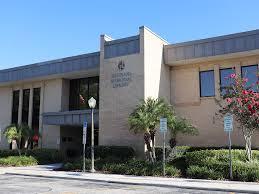
Community Shred Day is an opportunity to clean out your old files and dispose of them safely. A Community Shred Day takes place at the St. Cloud Library on…

Lisa Concepcion
First BridgePrep Academy’s Farmers Market takes place on Saturday, April 27 from 12-4 p.m. Check out the produce and vendors at this inaugural event.…