


Our friends to the north get four different temperate seasons.
In Florida, we have seasons, but they’re not so much dictated by the weather.
Starting in January, or maybe a bit earlier, they go: Tourist, Graduation, Hurricane and Holiday.
By flipping the calendar to June, we’ve commenced the 2025 Atlantic Hurricane Season—the annual six-month ritual of wondering, “Do we have enough water and propane at home?”
I know, you know it’s hurricane season. This time of year, down here, weather sells. But as a journalist, I worry that we in the media, acting in concert with ‘them’ in the emergency response sector, make you readers tone deaf and, eventually, tune out the message.
Then I remind myself that much of what emergency officials stress—get a plan, know if you are in a flood zone or other vulnerable area, sign up for alerts to get the latest information, be ready to stow your lawn stuff and grab sandbags if needed—is for our tourist visitors and newcomers to the area.
I’ve spoken with at least one of the county’s emergency management team members, and we agree: probably 9 in 10 of our neighbors know exactly what to do when there is a significant storm threat.
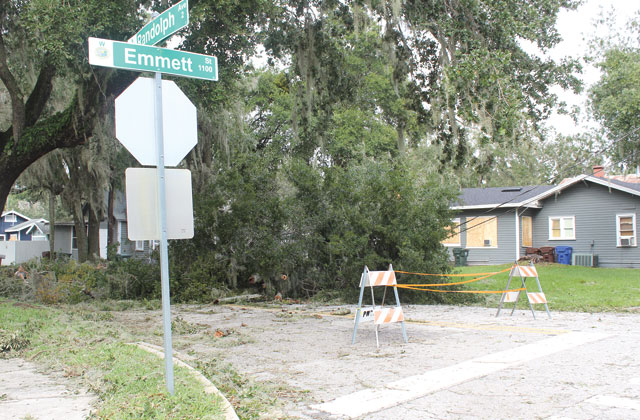
Remember Milton from last year? Of course you do; many of you got a day or two off of work. It was a Category 5 hurricane in the Gulf on Tuesday. It made landfall Wednesday night into Thursday, and the center of circulation (maybe not the area’s worst weather, but still a hurricane) trucked right across Osceola County.
By Thursday afternoon, local officials issued an “upbeat” all-clear, and we reported the response and recovery efforts were largely complete by Friday morning.
Oh, sure, there was some wind and water damage, and many people lost power at least for a little while, but what’s that tell us? We got this.
I’ve become an amateur hurricane information disseminator—the updates you read at AroundOsceola.com when a storm is headed our way come from me—with reading National Hurricane Center discussions and tropical computer models almost a summer hobby. Hence the tension I get when the forecast looks grim for our area.
My PTSD probably comes from my Scout troop’s 1992 service trip to Kendall in South Florida the weekend after Hurricane Andrew struck. We were supposed to just bus down a load of supplies from Orlando and help with distribution, but we were dispatched into a nearby neighborhood to “help where were could” as we had chainsaws and gas, both scarce down there after that monster storm.
Ever since seeing the damage Andrew caused—going up against building codes from the 1960s—I get uneasy when a “big one” is forecast to come our way. Sleeping and eating become tough; I replace them with pacing.
I tell myself that, thanks to the recent storms—Charley, Frances, Jeanne, Wilma, Irma, Ian, Nicole, and now Milton—anything that could get blown down or away already would have. Now I worry about getting sandbags. And once I have them in place, I don’t worry. Then I probably eat.
It’s because I remember a mantra someone told me when Hurricane Irma approached in 2017—and I see it in a community that overlooks the repeated messages and just gets busy.
“If you’re prepared, there’s nothing to worry about.”