


The 2026 Atlantic hurricane season has been as advertised—so far.
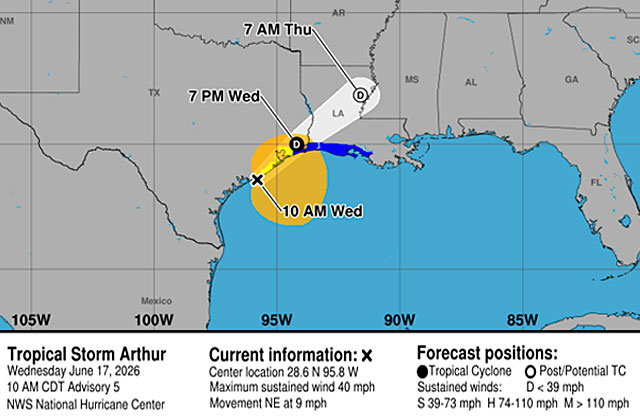
Tropical weather experts predicted that a strong El Nino weather pattern in the Pacific would tamp down storm formation in the Atlantic. The month of June saw just one named storm. Short-lived Tropical Storm Arthur formed east of Texas and was a Gulf rainmaker for east Texas and west Louisiana.
But June is historically a
quiet month for storm formation, and July is also one of the quieter months
of hurricane season. Tropical waves are just beginning to emerge from Africa with greater frequency, and the atmospheric conditions
that support powerful hurricanes usually don’t come together until August and September.
By July, it can be tempting to think the Atlantic hurricane season has gotten off to a quiet start.
The skies over Central Florida may be filled with afternoon thunderstorms instead of swirling tropical systems, and long stretches without a named storm can create a false sense of security. But history shows July is often the calm before the busiest stretch of hurricane season.
This year’s forecasts call for a below-normal Atlantic hurricane season, largely because a developing El Niño pattern is expected to increase upper-level wind shear that makes it more difficult for tropical systems to organize.
The bottom line—the season is not a dud. The historical peak of Atlantic hurricane season arrives around Sept. 10, and forecasters continue to emphasize the same message they deliver every year: it only takes one storm to change everything.
Emergency managers encourage residents to use July as a final opportunity to prepare before activity typically ramps up. Waiting until our area is in the forecast cone is often too late to prepare.
That means reviewing evacuation zones, checking insurance coverage, trimming trees, testing generators, and replenishing disaster supply kits. Residents should have enough food, water and medications to last at least seven days, along with flashlights, batteries, important documents and supplies for pets.
Residents are encouraged to sign up for emergency alerts (in Osceola, text “AlertOsceola” to 888777). For Osceola County residents, the message remains unchanged: Prepare now, stay informed throughout the season, and remember that hurricane forecasts don’t predict where storms will go. They only estimate how many may form.
Residents who spend a few hours this month reviewing plans, updating emergency kits and understanding local risks are far more likely to weather whatever the remainder of hurricane season brings. The season may still feel young, but Florida’s most active months are just around the corner.