

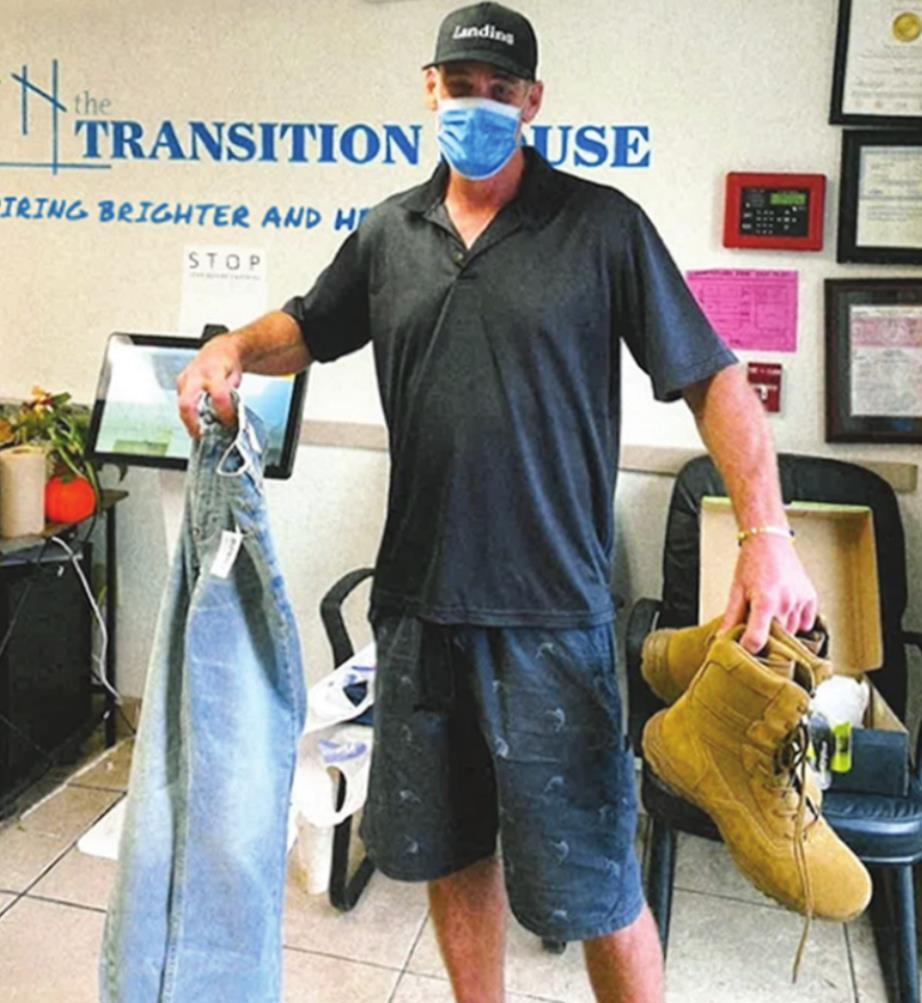
Tucked away on West 5th Street in St. Cloud is the home of the Transition House Veterans Program. Established in 2012, the program helps previously incarcerated military veterans achieve independence through employment and permanent housing.
Given that most incarcerated veterans experienced any variety of mental health, PTSD, and substance abuse issues, and in many cases homelessness, assisting them is no easy task.
“Many of our 40 program participants experience all four at some point in their lives,” said Transition House CEO Melissa Lucas
The process for these veterans starts while they are still incarcerated. Corrections officials identify veterans that might be eligible for the program, and organizations such as the Transition House participate in periodic “resource fairs” at the corrections facilities. Once a veteran is selected for the program, the Transition House staff coordinates with the Veterans Affairs (VA) administration and other agencies to secure funding and benefits for the veteran and program expenses.
“It is not unusual for our clients not to have any form of identification, beyond what they receive from the corrections system — no birth certificate, military discharge certificate, or driver’s license. That is one of the first things we get started on,” said Ron Gray, Vocational Trainer for the program. “In many cases, participants in the program received honorable discharges from the military.”
The first priority of the program is to set up an individual behavioral health treatment plan for substance abuse and mental health. Sheba Tackett, one of the program counselors, said work “on the insides of themselves” starts right away. The VA will pay for the basic costs of the program for up to 24 months in a veteran’s life.
“We encourage them to set up a plan to leave here in 12 to 16 months, and some of them do it in eight to 10 months,” Tackett said.
Next comes identifying and re-teaching “life skills” that are needed to begin coping with everyday living in a positive matter. Many program participants have not used a smartphone or might have lost any computer skills they once had. Finally comes vocational and technical training, most of which is provided by community partners, such as businesses willing to hire and train these veterans despite their background.
“One of the most important things we teach is patience,” said counselor Larry Henry.
The program has a very high success rate, partly due to the case management phase of the program where program participants can reach back to the staff if they encounter some difficulties after starting out on their own. Often this comes in the form of emergency financial assistance for such things as auto repairs. An “alumni” group of successful program graduates regularly comes back to speak with veterans going through the program. There is a similar program in Starke, Florida that can accommodate women veterans.
The Transition House was founded in St. Cloud in 1993, has five locations in Osceola County and operates throughout Florida and six other states. For more information, www.thetransitionhouse.org.