

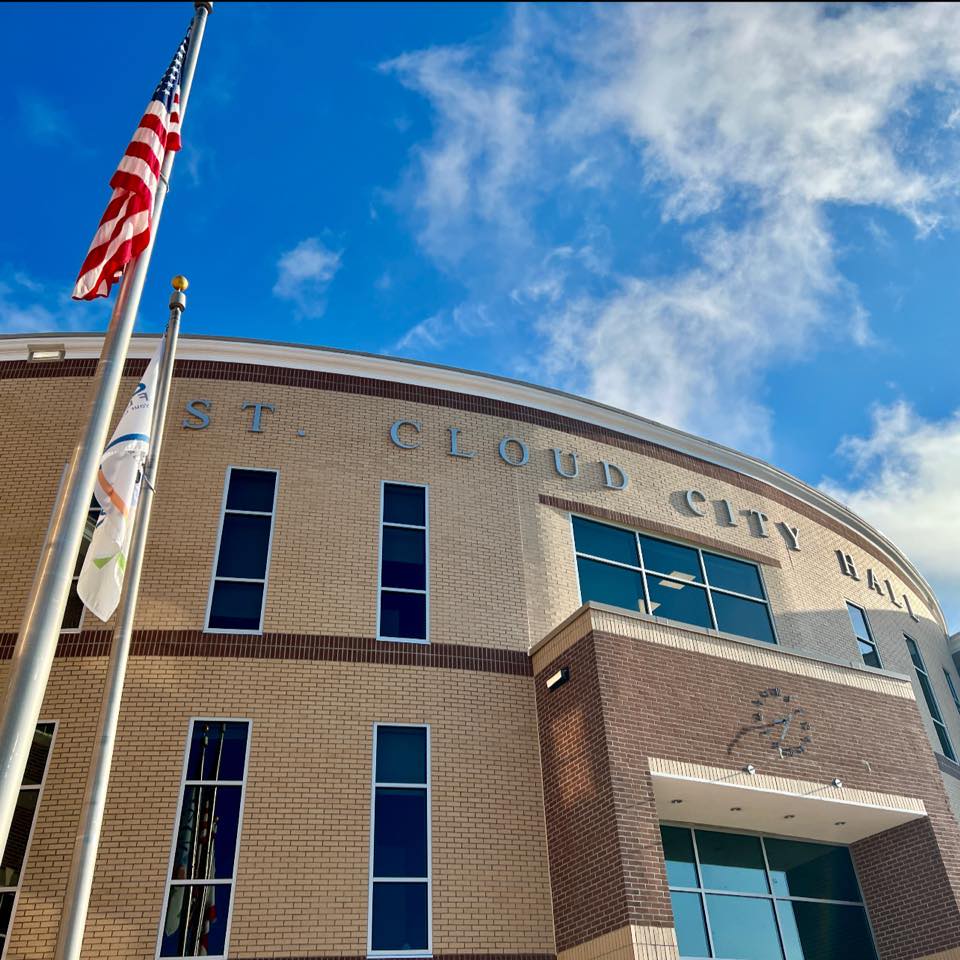
St. Cloud is in the midst of approving a $274 million budget for fiscal year 2025, which begins in October, on a roughly $53 million increase in revenue, which is a 25% increase year over year.
The St. Cloud City Council held a workshop Aug. 5 to review the proposed city budget, which would keep the property tax millage rate at 5.118 mills (one mill represents $1 in property tax levied per $1,000 of a property’s assessed value). St. Cloud city councils have held this millage rate for the past 12 years, and although the millage rate remains the same, increases in property values result in additional tax revenue.
Two new fire stations are included in the proposed budget, one to cover the Tohoqua area and one for the Roan Bridge development off Nolte Road. One new fire engine and a new ambulance are also included in the proposed budget.
Overall, 23 new city employee positions were requested for 2025, including six police officers and three emergency communications operators. Several firefighter positions were recently added in this current fiscal year. An assistant city attorney position, intended specifically for public safety, is being requested. This is a firsttime in-house legal position for the city.
There were several construction projects highlighted in the proposed budget, including initial funding of $1.4 million for the extension of Creek Woods Drive to connect Canoe Creek Road to Old Canoe Creek Road. $1.2 million is slated for pedestrian safety improvements on Michigan Avenue, and $300,000 was requested for design of stormwater improvements in the vicinity of Tennessee Avenue and 17th Street.
A major topic of discussion during the workshop centered on reviewing the nature and focus of the city’s Community Support Grants. An outside analysis of the current grant program, presented at the workshop, revealed that a good portion of the city grant funding was being used for operations and personnel costs at some of the charitable organizations receiving the funds. The analysis stated that this was an unfortunate widespread national trend, as non-profits face the challenge of rising costs in providing services.
Based on direction received from the council at the workshop, the city staff is developing a plan to transition the community grants program from a community support model to the capacity-building assistance model. The capacitybuilding model will focus less on providing operational funding and more on providing training and resources, with a focus on helping non-profits become more effective, efficient, and sustainable over the long term. Examples of training include grant writing and establishing a framework of collaboration with other agencies and non-profits to form a more holistic approach to providing community support. Transition towards a capacitybuilding assistance model will be phased, in collaboration with the community, however, no timeline for the transition has been finalized.
The final budget will be considered at two separate public hearings on Sept. 12 and 19.