

This story, which originally appeared in Vox Populi out of Winter Garden, is part of a collaborative initiative of independent local news outlets working towards a more informed and engaged Central Florida.
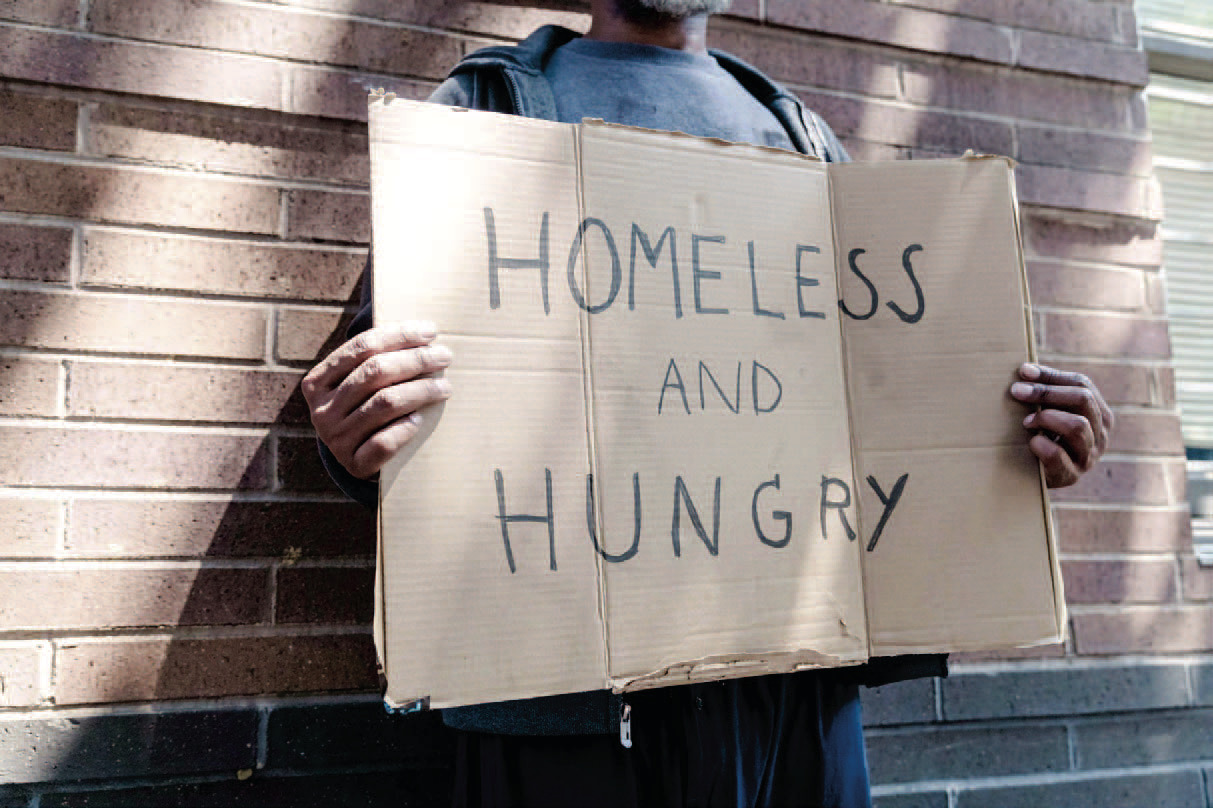
Few groups are as misunderstood as those experiencing homelessness. They’re mentally ill! They’re drug addicts! They’re criminals! They’re freeloaders!
The reasons anyone ends up homeless are varied and complex, but misperceptions that blame folks for their own misfortune continue to persist. Several local and national experts on homelessness helped bust the eight most enduring myths and gain a better understanding.
People experiencing homelessness are mentally ill: Hands down, the most enduring myth about homelessness is that it’s linked with mental illness— an idea that Eric Gray, executive director of the Christian Service Center, told VoxPopuli has “no science that supports” it.
According to the National Association of Mental Illness, 21 percent of people who experience homelessness also have a serious mental health condition. But then again, Gray said, “so do 20 percent of all Americans.” He added that there’s no correlation between the two either. “There’s been no science that shows mental illness leads to homelessness, nor has there been any, which could be just as common, that homelessness leads to mental illness. Sometimes people described as mentally ill, they’re just tired and hungry. So, there’s a lot of misunderstanding of the issue.”
Shelters are havens: Even as there’s a need for more temporary beds, not every person experiencing homelessness sees shelters as a solution. Some 38% of homeless people in Orange County prefer to sleep in their cars or camp in woods. Shelters may be noisy or have strict curfews that conflict with work schedules. They also may not always be clean, they may be unsafe—13% of respondents in one study said they’d been attacked in a shelter. Plus, not every shelter is pet-friendly, which can be a dealbreaker for many.
People experiencing homelessness are community outsiders: Very often, people who are homeless are your neighbors. “Most people who are experiencing homelessness stay within about a mile of wherever they were last housed,” Gray said. He surveyed the people coming to the Christian Service Center’s Orlando and Ocoee locations and found, “They’re not coming from Apopka to Ocoee to get services. They’re from Ocoee.”
Homelessness is caused by poor life choices: There is a perception that people who end up homeless brought it on themselves. Homelessness has many factors, but in Orange County, lack of affordable housing is a dominant one, according to Martha Are, CEO of the Homeless Services Network.
“Our housing infrastructure and our transportation infrastructure has not kept pace [with Central Florida’s growth],” she said in 2024 talking about that year’s PIT Count. “As a result—a very predictable result—we are seeing more people experiencing homelessness … It is because we had a sudden increase in rent.”
The Orlando-Sanford-Kissimmee region is short more than 97,000 very low income housing units and more than 54,000 units of extremely low income housing, according to 2023 data from the National Low Income Housing Coalition, the latest year available.
Plus evictions skyrocketed after the pandemic—more than 14,000 in both 2022 and 2023, according to the Florida Housing Data Clearinghouse. “These aren’t just people; these are households, so you’re talking at least double the number of people without a place to go,” said Gray.
People who are homeless are addicts: Another widely pervasive myth, particularly as homelessness often gets confused with panhandling. While panhandlers are often cadging money for drugs and alcohol, they’re usually not homeless, experts say. Only 11% of the adults identified in the 2024 Orange County Point-In-Time Count told surveyors they had a substance abuse issue.
“That’s not the reason people fall into that system,” Gray said. “It’s not usually one thing; it’s usually a cascade of emergency problems, so there’s no common individual reason why people can’t afford their housing.”
People who are homeless don’t work: An estimated 40 to 60 percent of homeless people are employed, according to the United States Interagency Council on Homelessness, and may even juggle two or three jobs. A 2021 University of Chicago study found that 53% of people living in homeless shelters had jobs while 40% of those who were unsheltered were employed. So, it’s not that people experiencing homelessness aren’t working; it’s that wages won’t cover rent.
People who are homeless are dangerous: People without homes are not any more likely to be violent than people who have stable housing, say homeless experts. In fact, people who are homeless are the ones who are more likely to be crime victims because they’re in a vulnerable situation. Nearly half of the 500 respondents in a study of homelessness reported being the victims of violent crimes. In the study, 72% of the participants reported they’d been assaulted between one and three times; 15% reported rape and sexual assault; 13% noted they’d been attacked in a shelter.
The homeless population stays stable: People move in and out of homelessness. According to Gray, 80% of people experiencing homelessness do so for eight days or less. But experts have seen a real shift in homelessness in the last few years among seniors. About 24% of the people identified as homeless in the 2025 PIT Count are over 55.
The big question: What would it take to put a shelter in your community? Homeless Services Network wants to hear from you at www.Yes2ShelterAndHousing.com.