
After months of discussion, and a vote last week, the Florida High School Athletic Association board of directors unanimously approved language in its bylaws to allow high school athletes, much like NCAA college athletes have been able to do for a few years, to earn money from Name, Image and Likeness (NIL) deals, such as endorsements.
New Bylaw 9.9 will be presented to the state’s Board of Education in July, and if it signs off the new rules would go into effect in time for the 2024-25 school year and upcoming fall sports schedule.
Under the change, studentathletes and their parents or guardians would be required to “negotiate any NIL activities independent of their school, school district, or the FHSAA.” The board also agreed to allow high-school athletes to hire agents to assist them in navigating business deals—reversing course on a longstanding prohibition. The revamped bylaws now allow for the hiring of “registered” agents only for the “purpose of advising on NIL related” matters. The updated regulations define “permissible activities” under the new NIL policy to include, but not be limited to, commercial endorsements, promotional activities, social media presence, and product or service advertisements.
Some coaches feel like the state has mandated well-heeled schools a new tool to recruit top talent.
“A lot of coaches think it’ll be a recruiting tool—and they’re already doing it,” said Rick Tribit, the wrestling coach and athletic director at Osceola High School. “Kids don’t know how to manage money as it is. What happens when someone tries to cancel a deal?”
He said schools and programs that struggle to make ends meet to play a season safely are going to fall further behind.
“I used to tell people, years ago, that public school athletics was the last bastion of equitable play,” Tribit said. “But this, it’s a nail in the coffin of public school athletics. It’s going to exponentially spin out of control.”
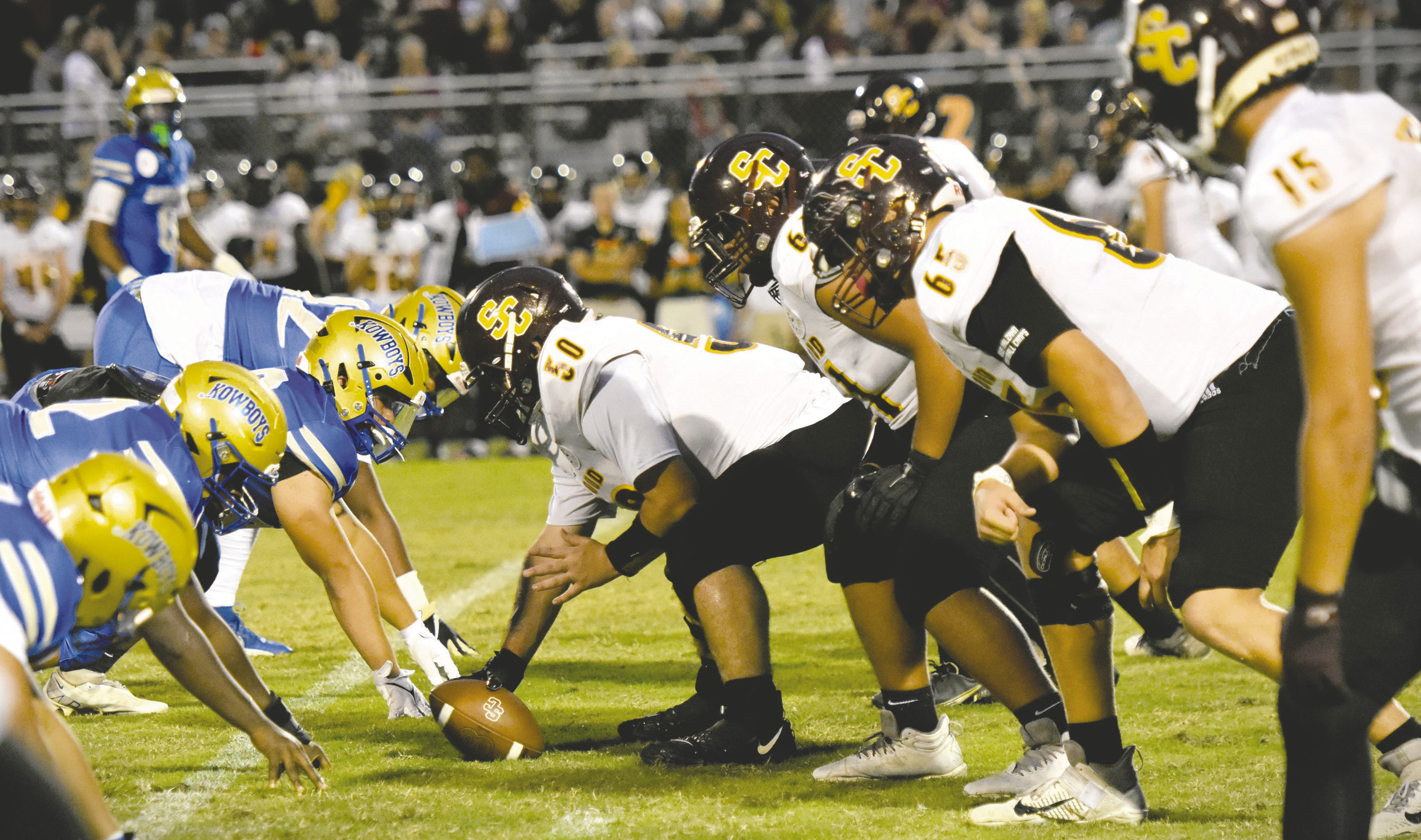
Mike Short coaches football at St. Cloud High, and has coached wrestling and flag football at a number of other schools in Osceola and Orange counties and in other states.
“Years ago we used to talk about ‘impermissable benefits,’ and usually in the NCAA. Now we’ll find out if any big boosters have ten grand they want to throw around to high school kids,” he said.
“There might be kids who are deserving, but it’s not good for high school sports if a superstar kid is making more than the coaches. We’re not in it for the money, but this is ridiculous. Calling it the Wild Wild West is being kind, unless (the FHSAA) can get a handle on this.”
The FHSAA board said during the meeting that it can come back to the table to make changes to this NIL policy in the future.
“This is a very good starting point for us to move forward with,” said Monica Colucci, a Miami-Dade County schoolboard member who is president of the FHSAA Board of Directors.
The new NIL rules also include some restrictions. For example, Bylaw 9.9.2(f) noes that “Accepting a Name, Image, and Likeness (NIL) agreement that does not adhere to FHSAA Bylaw 9.9” can affect a studentathlete’s eligibility.
Bylaws 9.9.4.1.1/2 releases the FHSAA, their school or school district from any liability related to, or arising from the NIL agreement.
Bylaw 9.9.4.2 bars what are known as NIL “collectives”— funding organizations through which student-athlete compensation frequently is funneled, from being allowed under the policy, which have become part of the fabric of college sports. Kimberly Richey, a senior chancellor with the Florida Department of Education who also is on the FHSAA board, has pushed to have the bylaws include a ban on collectives.
“I think what we’re doing is, we’re saying there cannot be any groups out there that exist to collect funds from donors to facilitate NIL deals for student athletes. That’s what a collective is. If you exist solely for that purpose, you cannot operate in Florida,” Richey said.
Athletes are barred from collectives, as well as engaging in NIL activities that promote adult entertainment products and services, alcohol, tobacco, cannabis, vaping, nicotine products and other controlled substances, prescriptions, gambling, sports betting or betting on any games, weapons, firearms and ammunition and political or social activism.
Bylaws 9.9.4.6/7 address what some education leaders fear as a “pay for play” ploy schools could use to lure players to transfer for arranged NIL deals: “A student-athlete who transfers after starting a sport, shall be prohibited from securing an NIL agreement that season ... NIL activities shall not be used to pressure, urge, or entice a student-athlete to attend a school for the purpose of participating in interscholastic athletics.”
And Bylaw 9.9.5.3 address abuse of the system; those receiving “impermissible benefits” will be deemed ineligible, with a warning for the first offense, a one-year competition ban for a second an becoming ineligible for their entire high school career for a third.
Ryan Dailey of the News Service of Florida contributed to this report.