

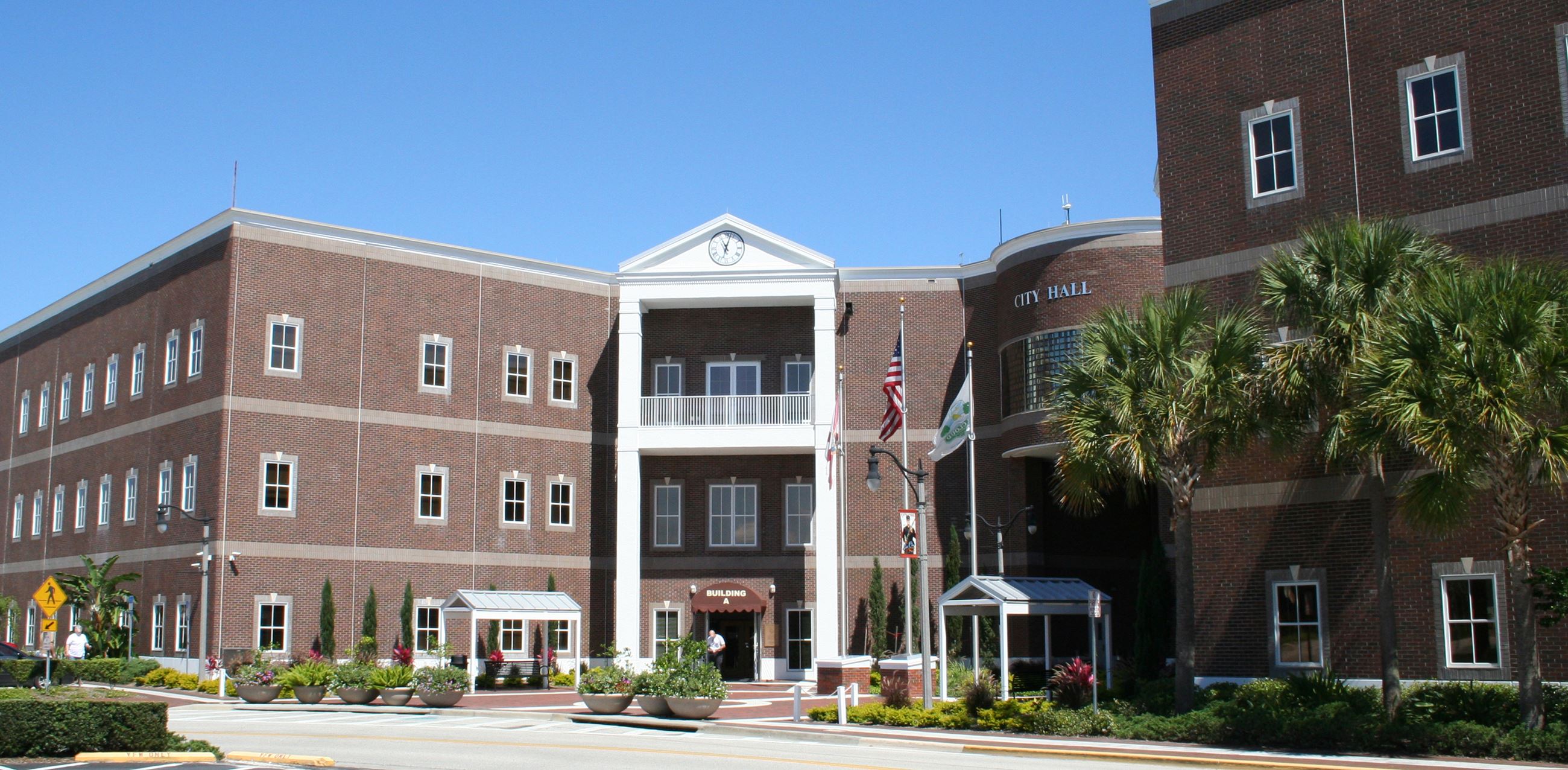
City of St. Cloud Economic Development Director Antranette Forbes provided the City Council an economic update at last week’s meeting.
It came days after St. Cloud ranked No. 52 nationwide (Kissimmee ranked No. 64) and 18th in Florida on WalletHub’s Best Cities to Start a New Business out of 1,334 small-sized cities. The study used 18 metrics from average growth in number of small businesses to resources access to labor costs.
Among the things Forbes noted, the healthcare sector has become the next-leading economic sector in the city, behind the retail trade.
“That’s a good thing because that’s one of our target industries,” Forbes told the Council Thursday. “Ancillary services come with it, which brings some business recruitment opportunities.
She said business tax registrations have seen 45% growth in four years, since 2019 before the start of the COVID-19 , home-based business applications have increased 36% in three years and commercial tax receipts have increased 19% in that span.
The city has hosted webinars on how to start a business and on emergency economic disaster loans, tied to the construction seen downtown that closed some streets for an extended period of time.
Forbes noted a list of programs on the horizon: veterans recruitment programs, a new city economic development website that could be online by the end of May, the implementation of a new Community Development Block Grant fiscal year 2022 program — and new CDBG and CRA program specialist hires to work with it — and design phase beginning for the city’s seaplane base.
At Thursday’s meeting, the City Council also scrapped plans to install retractable bollards — those strong posts seen along streets to prevent vehicles from entering certain areas. The City, which tried to originally cancel the contract with the contractor, will receive a credit from them of approximately $619,000. Installing them would cost over a million dollars and cause downtown intersections — which just re-opened — to be closed again for up to 40 weeks to mitigate utility conflicts.
Council Members Linette Matheny and Ken Gilbert asked staff to look into whether the manufacturer can be held responsible for not getting the bollards delivered by the promised date, and questioned why there could be utility conflicts with the bollards since the project plans included bollards.
“We need to look at that credit closely,” Matheny said. “Why are there utility conflicts when the bollards were on the plans? Those utilities should have been moved to accommodate the bollards.”