

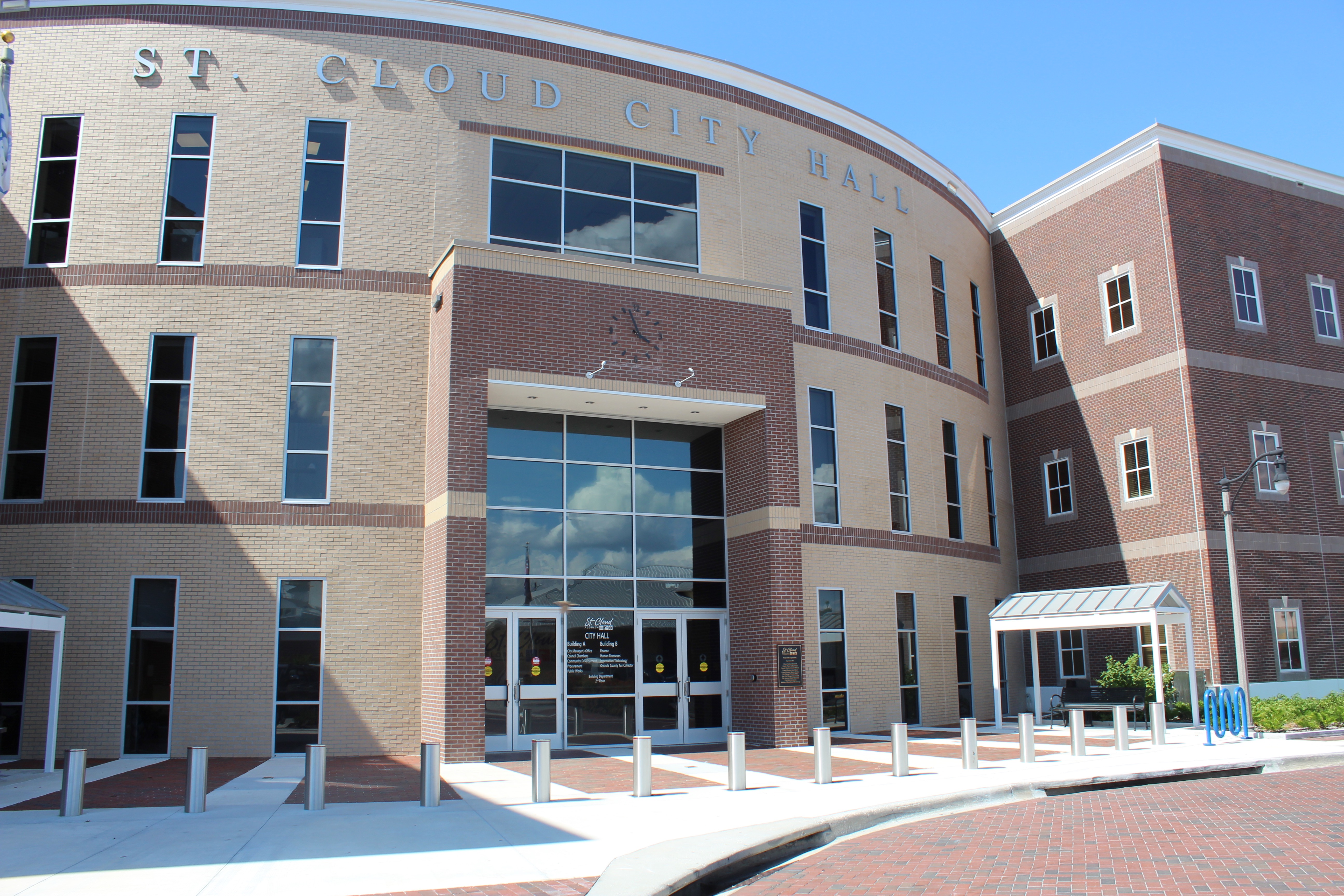
Much like their Osceola County cohorts did earlier this month, the St. Cloud City Council took up the subject of an increase of its mobility impact fees—in some cases, drastically—at a pair of public workshops the last two weeks.
The fees, paid by builders or developers, then simply passed on to property buyers, are intended to help the area’s infrastructure expand as the population does. The theory behind it is that “Growth pays for itself.”
The reality, clear to anyone who travels Osceola County’s busier roads, especially at peak drive times, is that it is not happening. As St. Cloud’s population has swollen by 65% since 2010 to over 64,000 residents, the demand for transportation infrastructure has increased.
But, so has the demand, and the costs to construct it—the multi-million price of building a mile of road has gone up 50% in just two years.
The City Council is set to vote on a plan for a new mobility fee scale on Aug. 8. If they vote one in, the state mandates the city will have to wait 90 days to start charging what will be higher fees in many cases, like for singlefamily homes and townhomes.
Based on a formula used by the state of Florida that takes into account how much transportation network usage each time of building creates, the impact fee on a single family home would increase 224% to just over $20,000. The fee on townhomes would increase 140%, but the rate would actually decrease on some developments, like fitness clubs, day care centers and places of worship.
The state mandates those increases must be phased in over three to five years— unless the city is acting under “extraordinary circumstances,” based on a needs study—the one providing the stats for Thursday’s workshop.
To hear Council members like Kolby Urban talk, those circumstances aren’t hard to prove.
“These numbers are staggering. But, our growth is staggering,” Urban said. “Yes, these are extraordinary circumstances, but what concerns me is the increased fees for commercial buildings. We should be rolling out the red carpet for those in a town that’s so residential-heavy.”
Council member Lynette Matheny likened closely the transportation funding gap to a cat chasing a short tail.
“If we keep fees as is, we’ll be a half-billion dollars short in transportation funding. Where does that money come from?” she asked. “Do we raise taxes? And if we extend them over time, we’re still in that hole.”
Mayor Nathan Blackwell said he worried about the impact the fees have on families finding affordable housing.
“I hate taxes, but I don’t think we have a choice,” he said. “Even these increases won’t pay for all the costs of what we need.”
Council member Ken Gilbert went a step further, asking that, following the city’s action on fee increases, that staff looks at implementing incremental increases beyond that, so the question in the future doesn’t look like what it does today—or at least on Aug. 8.