

Everything we do within the Osceola Council on Aging revolves around making sure our senior clients age healthily. Whether it be the OCOA’s senior housing initiative so seniors can age safely in place; Meals on Wheels to keep them nutritiously fed, or our onsite wellness clinic to keep their health in check.
With September celebrated as Healthy Aging Month, it was important to highlight this national initiative targeted to educate seniors across our nation, to not only age gracefully, but as healthily as possible.
The Healthy Aging initiative, started more than 30 years ago, was purposed to pivot the general conversation from negative stereotypes about aging, to the many benefits of staying active, engaged, and healthy as our nation grows older. The program not only focuses on the complex aspects and transitions of clinical aging, like physical and mental acuity, but the pragmatic aspects, such as social interaction and financial governance.
Both the National Institutes of Health (NIH), and the National Institute on Aging (NIA), use the month to educate the benefits of healthy habits in reducing age-related decline, the role of science in understanding aging and the many opportunities for seniors and older adults to stay active, engaged, and most of all, independent.
The 2026 theme, “Curiosity Has No Age Limit” also emphasizes lifelong learning, the importance of new experiences, and personal reinvention at any stage of life. Their educational pillars include:
Physical Health: Staying active through regular exercise, including weight-bearing activities, while maintaining a balanced diet rich in fruits and vegetables. It is also important to remember that movement strengthens muscles, protects bones, and reduces the risk of chronic illness.
Mental Health: Monitoring mental and cognitive changes while practicing stress management is essential. Staying socially and intellectually engaged also supports brain health.
Financial Wellness: Managing financials early helps secure a stable future. By saving, planning, and making wise decisions today, we support our financial health in retirement.
Social Wellbeing: Staying connected to others reduces loneliness and isolation, which in turn supports mental health.
One of the most important social service programs we offer is our Adult Day Care facility. Through this initiative, we support OCOA clients who need social support and assistance with daily activities, including those with dementia, chronic illness, or mobility challenges.
According to the Centers of Disease Control and Prevention (CDC), prevention also is a cornerstone of healthy aging to reduce the risk of chronic diseases, disability, and early death.
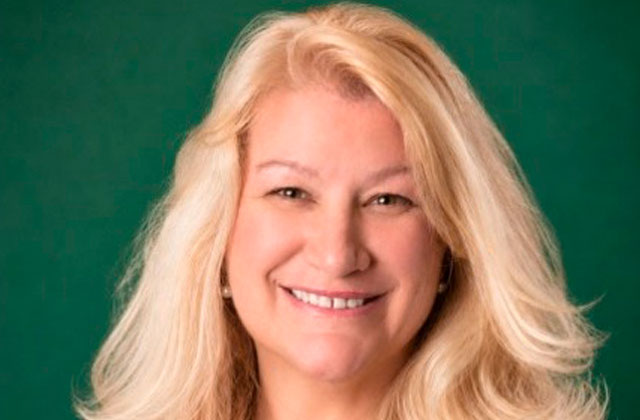
“We teach our seniors the importance of diagnostic prevention, on a consistent basis, said,” Registered Nurse Nicole Santiago, Osceola Council on Aging’s Health Clinic Director.
“That includes annual wellness exams and routine checkups, bone density scans to reduce fracture risk, hearing and vision tests, mammograms, colonoscopies, cholesterol checks, blood pressure monitoring, and event diabetes screenings for cardiovascular health,” added Santiago.
Beyond medical care, small daily lifestyle choices can also make a significant difference in aging healthily.
Prioritize Sleep: Quality sleep restores energy, supports brain function, and improves overall health.
Stay Mentally Engaged: Activities like puzzles, sudoku, or reading help keep the mind sharp.
Find Joy: A new hobby or creative outlet can bring fulfillment.
Give Back: Volunteering strengthens purpose and connection with others.
Overall, Healthy Aging Month is about making health a lifelong priority, step by step, whether you are 50, 60, or beyond, it is never too late to explore new passions and live as vibrantly as possible.
For national resources, the CDC’s Healthy Aging website also offers evidence-based tips on topics like arthritis management, dementia care, and fall prevention. Click on www.cdc.gov/healthyaging. To sign up for a free Health Aging monthly newsletter, go to www.healthyaging.net.