


Osceola County is part of the 9th Circuit Court with Orange County. The judges who hear circuit cases are elected to their positions, and there are more than one candidates qualified for three of the group seats, requiring an election of voters in the two counties.
Little is known about judicial candidates in that they cannot campaign and fundraise like typical political candidates, as judges must remain fair and impartial. Candidates cannot use deceptive language; for instance, an appointed judge cannot use the phrase "re-elect" but may use "retain", and they cannot attend political meetings solely to mix and mingle unless they address the group as a whole.
Still, the News Collaborative asked questions about their judicial candidacy to provide readers with insight to their expressed priorities. Each of the candidates were given the same amount of time to respond. The candidates' answers were fact checked and only edited for space considerations.
Group 1
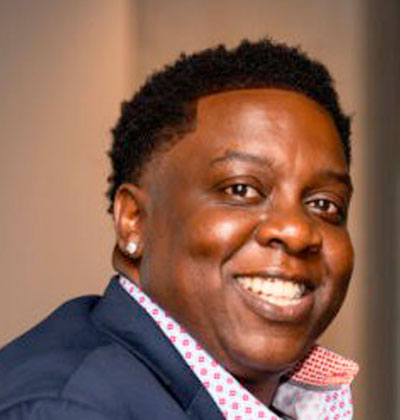
Temika Hampton-Johnson
What professional experiences have best prepared you for the bench?
I think everything in my professional life has prepared me for that because you need so many qualities. I think it's safe to say every person who's running for judge meets the minimum qualifications — they have the education, the background, etc. I think my background has helped me most in that my temperament, my demeanor, it's not in theory. It's been a working thing.
I worked in probation and parole the last five years, of which I solely supervised sex offenders, and what I will tell you is, though I may not agree with the offense, it was not personal for me when that person came into my office. I’d ask, “What are your orders? Are you in compliance with your orders?” That's it. Each one will tell you they were always treated with respect by me. Being personal didn't enter into our interactions. Same as a public defender, you don't pick your clients and I've had clients whose personal beliefs did not agree with mine. I've had clients who didn't want me as their lawyer because of my race, but I still represented them, and I still showed up. I still did my job protecting their constitutional right without taking it personal, without bringing my personal opinion or my personal feelings into it, so I think that's why I say everything in my background has prepared me.
I also think having that real life experience…dealing with regular everyday people, those are the people we see in court often who don't have an attorney, and those are the ones who we need to restore their belief in our judicial system. I think my background has shown that I'm capable of doing that and exhibiting those behaviors that are necessary to help to restore that trust.
What role should personal values play in judicial decision-making?
Your personal values should not play any role — that's not your job. My job as a judge is to just apply the law and whatever controlling precedent fairly and efficiently. My personal opinion doesn't matter and, that's not me speaking in theory, that's me in practice. Most people when I tell them what I did as a probation officer, they're like, "How could you do that?” Because it's not my job. I wasn't on the jury. It wasn't my job to judge them. My job was to make sure they complied with their order. They're not my friends, I’m just doing my job, but they would never tell you that they were treated in an unfair way.
How do you balance precedent with evolving societal standards?
As a judge you're obligated to apply the law and follow any binding precedent. However, that can't be done with just tunnel vision. You’ve got to understand the facts, the circumstances, and truthfully, the reality facing the people. If a father loses his driver's license in criminal court, it impacts his ability to pay child support and family. So, if I'm in criminal court and you come before me, and this is a factor that's brought up, these are [extenuating] circumstances. There are other mitigating factors. So maybe there's an option of them doing community service, maybe we're looking at something where this person can keep their driver's license because we do see the long-term effect of it now. If it's a situation where it's a mandatory suspension, whether it's a DUI or something like that, there's nothing I can do about that.
But where there is leeway and there is some room for the judge to navigate some things, I think we need to look at those alternatives, and that's part of looking at the big picture. It's not just tunnel vision, where you say “You didn't pay your fine, your license is suspended, now pay your fine, move on.” Well, [my question is] why didn't you pay the fine? What's the circumstances here?
That means each person, when you're coming in, you're applying the law fairly. I'm consistent, and there's no favoritism, no outside influences. It's treating that person that's in the courtroom with dignity and respect, regardless of their background or resources, whether they have money or don't have money.
What steps do you take to avoid conflicts of interest?
The main thing I've been talking about is restoring public faith and trust in the judicial system. So you want to make sure at every opportunity you're avoiding even the appearance of a conflict. For example, I’ve been asked before [about the support for my campaign] because you’ll hear, “Well, people know you, but your name's not said a lot, or these people support you, but they're not openly supporting you,” or whatever the case may be. Because a lot of times when you're applying for appointment as judge, it's more about who knows you, who's recommending you, those sort of different things. The truth, I get the job done. Every person you talk to about me, they had nothing but positive things to say. However, no one has done anything to advance me, which also means I don't owe anybody anything when I get there, and that's where a lot of conflicts come from.
Now, I can't think of many conflicts that I would have but if there's one that exists, I have no problem acknowledging it and recusing myself from that case…If someone walks in, and I believe it's a conflict, I'm gonna go ahead and say it ahead of time. I'm not trying to hide anything, and I think that's part of my military ethical background of allowing people to make informed decisions.
What barriers to justice do you see in the current system, and how would you address them?
I there are things that we can do virtually and the parties feel comfortable and it's legally allowed, let's do that. Let's not drag people down to court if we don't have to. It just saves time, saves resources, and it's actually more efficient for the docket to help move it forward.
I also think [having more knowledge about the court process] is important, doing more for knowing your rights, or general information sessions being provided for people. I know they have the self-help center in the civil department, if you come down to the courthouse, but maybe some things like with public libraries where you do information sessions. In my past, I've done quite a few know your rights workshops. There's still people who need help processing that. One of the things I do right now is volunteer with the Florida Rights Restoration Collective, helping them to file those cases where we're converting people's court costs to community service, so we help get their rights restored. I just feel like the more information people have, the more we can help to restore public trust, because when you understand things better, you can reconcile it in your mind, even when it doesn't go your way… But we also need to provide some resources to help people to understand and navigate the court system, because it is difficult. It's not easy. Even now as an attorney, I will say it's not easy. Each judge has their own procedures in each courtroom, so we as attorneys know to go look at the judge's procedures. However, the everyday citizen coming in may not, but that's the kind of information in those sessions we can give them.
Despite repeated requests, Group 1 candidates Charles Hart and Mikaela Nix did not submit responses to the News Collaborative of Central Florida questionnaire. The following are summaries written by the News Collaborative.
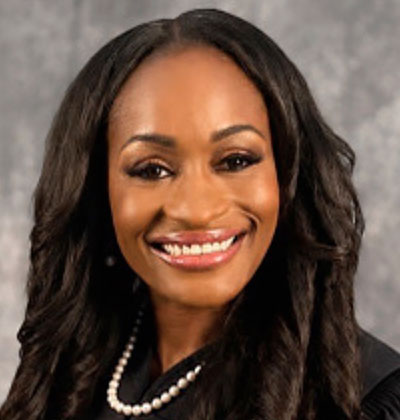
Mikaela Nix (incumbent)
What professional experiences have best prepared you for the bench?
As a Ninth Circuit judge for nearly six years, I bring a unique combination of professional experience, character, leadership, and perspective to the bench. I understand how the law operates in practice, having worked with diverse individuals across varied circumstances. I am deeply committed to ethical conduct, maintaining integrity, impartiality, and treating everyone with fairness and dignity. Recognizing that courtrooms are emotional environments, I make difficult decisions calmly and respectfully. I have a passion for law and justice, a commitment to community service, and the temperament necessary to be an effective judge. As one of the first African American women to win a contested judicial race in the Ninth Circuit, I believe judicial independence is essential to justice and democracy.
At my core, I have an unwavering commitment to justice, fairness, and the rule of law. While a law degree opens the door to judiciary, it is character, wisdom, discipline, and dedication to service that determine fitness for the bench. I am committed to serving Orange and Osceola County residents with integrity and compassion, as I often encounter people during their most challenging moments. No defining moment in my courtroom should be handled with anything less than complete dignity, respect, and compassion, regardless of the outcome.
A lawyer knows the law and how to apply it. A judge must know not only the law but also people, principles, human nature, and fairness.
What role should personal values play in judicial decision making?
Judicial decisions should be guided primarily, fundamentally, and consistently by the law itself, rather than by the judges’ personal values, beliefs, moral convictions, political ideologies, or individual preferences and inclinations. This critically important principle and foundational concept of judicial independence can be effectively and reliably accomplished by deciding cases based on the best available evidence presented during proceedings, careful and thorough assessment of witness credibility and reliability, well-established constitutional principles and frameworks that have been developed over time, and both the mandatory and persuasive precedent that has been set by previous court decisions at various levels of the judicial system. Personal values, individual biases, subjective opinions, preconceived notions, and external pressures should not play any role whatsoever in judicial decision-making processes or influence the outcomes of cases in any manner.
The judiciary must maintain strict objectivity in their analysis and reasoning, demonstrate complete impartiality in their considerations and deliberations, and ensure fair, equal, and consistent treatment to all parties who come before the court, regardless of their background, status, or circumstances. This commitment to neutrality and adherence to legal principles serves as the cornerstone of public trust and confidence in the judicial system and helps preserve the integrity and legitimacy of the rule of law in our society.
How do you balance precedent with evolving societal standards?
The legal system balances precedent with evolving societal standards through a concept known as flexible stare decisis, which allows courts to follow past rulings while leaving room to adapt to modern realities.
That question strikes at the very heart of judicial philosophy and the tension inherent in maintaining a stable legal framework while acknowledging the dynamic nature of our society. My approach is rooted in the fundamental principle that judicial decisions must be guided primarily, fundamentally, and consistently by the law itself, rather than by personal values or subjective inclinations. Precedent, or *stare decisis*, is not merely a suggestion; it is the cornerstone of judicial independence and the rule of law, ensuring predictability and fairness.
However, precedent is not static. It is interpreted through the lens of established constitutional principles and frameworks that have developed over time. When societal standards evolve, the role of the judiciary is not to unilaterally impose new moral codes, but rather to assess whether the existing legal precedent remains consistent with the foundational, enduring constitutional structures. This involves careful and thorough assessment of the established law, mandatory and persuasive precedent, and ensuring that any application remains strictly objective and impartial. The law must be applied to the facts presented, with complete dignity, respect, and compassion for all parties, recognizing that wisdom and character, not mere preference, determine fitness for the bench.
What steps do you take to avoid conflicts of interest?
To avoid conflict and maintain harmonious interactions in both my personal and professional life, I make it a priority to consistently follow the Laws of Impeccable Communications:
Be Mindful of Your Attitude.
Communicate openly, clearly, and honestly, expressing your thoughts and feelings in a straightforward manner that leaves no room for misunderstanding or confusion.
Treat the person with respect, dignity, and consideration regardless of the situation.
Watch the tone of your voice to ensure it conveys the right message and doesn’t inadvertently escalate tensions.
Be compassionate and patient, understanding that everyone has their own struggles and perspectives that shape how they see the world and respond to different situations.
Despite our best efforts and intentions to the contrary, you are sometimes forced to deal with challenging relationships and difficult people. As challenging as it is, dealing with a difficult person can be a valuable learning experience.
What barriers to justice do you see in the current system, and how would you address them?
The persistent and deeply concerning problem of overcrowded court dockets and the resulting significant delays in the administration of justice can be meaningfully and effectively addressed through several carefully considered strategic interventions and reforms, including substantially increasing the number of qualified judges and judicial officers to handle the ever-growing case volumes more efficiently and expeditiously, significantly expanding the availability and widespread use of virtual hearings, remote proceedings, and digital courtroom technologies to improve accessibility for all parties and reduce scheduling conflicts and logistical barriers, implementing and deploying upgraded and sophisticated case management software systems along with comprehensive and ongoing training programs for all court personnel and administrative staff to ensure proper utilization, establishing specialized fast-track divisions and dedicated courtrooms specifically designed to handle certain case types and categories more expeditiously and with greater focus, and hiring additional qualified and certified interpreters to adequately serve the diverse and expanding linguistic needs of participants in civil litigation, family law proceedings, probate matters, and other judicial processes.
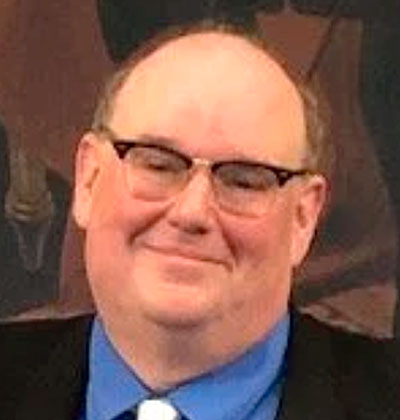
“As judge, I would work to ensure that every person who appears before the court is treated with courtesy, patience, and respect,” Charles Hart states on his campaign website. “I believe the courtroom belongs to the public, and the judicial system should be accessible, efficient, and responsive to the needs of the community.”
A member of the Federalist Society and a lifetime member of the National Rifle Association, Hart has applied five times to the Ninth Circuit Court’s Judicial Nomination Commission and once to the Seventh Judicial Circuit for circuit and county court positions in 2019, 2023, 2024 and 2025. He’s never made it past the commission.
Hart has worked as an assistant state attorney and as a public defender for the 18th Judicial Circuit, which comprises Brevard and Seminole counties. He has also maintained a Sanford-based private practice, the Charles C. Hart Law Office, where he specializes in criminal and guardianship law and continues to practice today. A certified Florida Supreme Court family law and county court mediator, Hart opened a mediation practice earlier this year.
In 2022, Hart ran for the Florida House of Representatives in District 39. He was defeated in the Republican Primary by State Rep. Doug Bankson of Apopka.
Hart taught accounting at the University of South Florida’s School of Accounting and Santa Fe Community College during his graduate school and law school years. In his application for a vacancy on the Seventh Circuit’s County Court, he noted that his courses on accounting contained “no critical race theory [or] distortionist history lessons …”
Hart is also known for filing a lawsuit against Orange County’s mask mandate at the height of the COVID-19 pandemic, telling Florida Politics at the time that Orange County Mayor Jerry L. Deming’s maneuver to stem the flood of cases and protect public health was a “massive government overreach” and a free speech violation.
Group 2
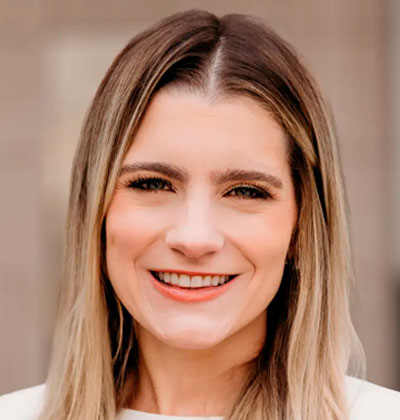
Christina Arguelles
What professional experiences have best prepared you for the bench?
For more than a decade, I've handled complex civil litigation in Florida courts, representing clients through every stage of a case, from investigation to trial. Civil litigation often overlaps with many other areas of law, including family law, probate and trusts, bankruptcy, immigration, and even criminal matters. That breadth of experience has given me a well-rounded understanding of the legal system and reinforced the importance of preparation, careful analysis, and treating every person who comes before the court with fairness and respect.
What role should personal values play in judicial decision-making?
I believe qualities like integrity, humility, respect, and compassion are essential to being a good judge, and I strive to bring those values to everything I do. They shape how a judge listens to people, treats everyone with dignity, and conducts the courtroom. But when it comes to making decisions, the law, not personal beliefs or opinion, must always come first. Every person deserves to know their case will be decided fairly, based on the facts and the law.
How do you balance precedent with evolving societal standards?
Our legal system depends on consistency and fairness. A judge's role is to faithfully apply the law and follow binding precedent. When the law changes through the Legislature or higher courts, judges apply those changes, but they should never substitute their own views for the law.
What steps do you take to avoid conflicts of interest?
Public confidence in our courts depends on impartiality. I take ethical responsibilities seriously by being transparent, recognizing potential conflicts early, and following Florida's judicial ethics rules. If a conflict requires recusal, I would not hesitate to step aside to protect the integrity of the process.
What barriers to justice do you see in the current system, and how would you address them?
Two of the biggest barriers to justice are delay and cost. When cases take too long, legal expenses increase, uncertainty grows, and it becomes more difficult for families and businesses to move forward. As a judge, I would prioritize effective case management, clear communication, and timely resolution of cases whenever possible. Keeping cases moving while giving each one the attention it deserves helps reduce unnecessary costs, improves access to justice, and ensures every litigant receives a fair and efficient process.
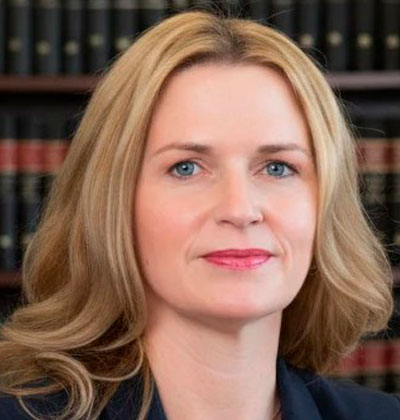
Christie Lou Mitchell
What professional experiences have best prepared you for the bench?
Throughout my legal career, I have practiced across a broad range of matters in the Circuit Court and gained substantial courtroom experience handling both civil and family law cases. I have tried more than 75 cases and have experience in both state and federal courts. Those experiences have given me a deep understanding of courtroom procedure, evidence, case management, and the importance of deciding cases based on the facts and the law.
I also have appellate experience and have co-drafted amicus briefs for the Family Law Section of The Florida Bar on issues affecting Florida families. Appellate work requires careful legal analysis and reinforces the importance of applying the law consistently and correctly.
In addition to my courtroom experience, I have served in leadership roles within the legal profession, including as the immediate past Chair of the Family Law Committee of the Orange County Bar Association, a member of the Judicial Relations Committee, a member of the Bench Bar Committee (2026), and on several committees of the Family Law Section of The Florida Bar. These roles have allowed me to work closely with attorneys and judges to improve the administration of justice and strengthen the relationship between the bench and bar.
I am also Board Certified in Marital and Family Law by The Florida Bar, a distinction earned by fewer than 300 of more than 100,000 attorneys licensed in Florida. Board Certification is the highest level of evaluation by The Florida Bar and requires substantial trial experience, peer review, and successful completion of a rigorous examination on substantive law, evidence, and procedure.
Before becoming a lawyer, I worked at Universal Studios and later as a waitress while attending college. Those experiences taught me the value of hard work, patience, and effective communication with people from all walks of life. Throughout my legal career, those lessons have translated into attentive listening, professionalism, and treating every person with dignity and respect.
Taken together, these experiences have prepared me to serve as a judge who is knowledgeable, fair, well-prepared, and committed to applying the law impartially, with the readiness to assume the responsibilities of the bench immediately.
What role should personal values play in judicial decision-making?
Judges take an oath to support and apply the Constitution of the United States and the Constitution and laws of the State of Florida, and that oath requires decisions to be based on the law and the facts of each case. When a statute is clear and controlling, a judge is bound to apply it as written. In other circumstances, where the law allows for discretion, that discretion must still be exercised within established legal principles. The role of a judge is to ensure that every person who comes before the court receives equal treatment under the law. Public confidence in the judiciary depends on judges who are fair, consistent, and faithful to the law, even when cases are difficult or outcomes are unpopular.
How do you balance precedent with evolving societal standards?
Precedent is a cornerstone of our judicial system because it promotes consistency, predictability, and fairness. A trial judge's responsibility is to faithfully apply binding precedent from higher courts and the statutes enacted by the Legislature, regardless of personal views.
At the same time, the law is not static. The Legislature enacts new statutes, and appellate courts issue decisions that shape and refine the law over time. When the law is unsettled or subject to interpretation, courts must resolve those issues by applying established principles of statutory construction, precedent, and controlling authority. This approach ensures that similarly situated parties are treated consistently, preserves public confidence in the judiciary, and respects the proper role of the courts within our constitutional system.
What steps do you take to avoid conflicts of interest?
A judge must be attentive to any potential conflict, whether financial, professional, or personal, that could reasonably affect or appear to affect impartiality. If a potential issue arises, it should be disclosed so the parties have an opportunity to be heard. If a conflict exists, or if an objective person could reasonably believe a conflict exists, recusal is the appropriate step.
The guiding principle is that maintaining faith in the judicial system is more important than any one judge presiding over a particular case. Every litigant is entitled to have their matter decided fairly, free from outside influence or the appearance of impropriety. The integrity of the court depends on both fairness in fact and fairness in appearance.
What barriers to justice do you see in the current system, and how would you address them?
We have one of the strongest and most respected legal systems in the world, but like any system, there is always room for improvement in ensuring meaningful access to justice.
One area of concern is language access in civil and family cases. In a circuit as large and diverse as Central Florida, language access in civil and family cases is an especially important part of ensuring meaningful participation in the judicial process. While interpreter services are more consistently available in criminal proceedings, in civil matters, litigants are often required to arrange and pay for their own interpreters. For many individuals, that cost can be a significant barrier to full participation in their case.
Within existing budget constraints, addressing this issue requires continued attention to how interpreter services are made available, how litigants are informed of their responsibilities, and how courts manage proceedings where language barriers exist, to ensure all parties can be fully heard and understood.
More broadly, the role of the court is to ensure that cases are conducted fairly, that procedures are clear, and that every litigant, regardless of representation or circumstance, has a meaningful opportunity to be heard, consistent with the integrity of the judicial process.
Group 31
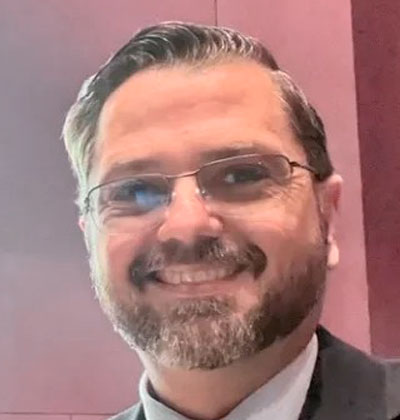
George "Steve" Kerestes
What professional experiences have best prepared you for the bench?
Being in the courtroom as much as I have over the past 20 years. Not only have I spent years of my work life in the courtroom, I have spent years in the courtroom as a prosecutor. I have spent years of my work career in the courtroom as a defense attorney. Those many years of courtroom experience are not limited to only appearing in the 9th Circuit. I have appeared in courtrooms throughout Central Florida and beyond; as far south as the Keys and I have appeared in court in Jacksonville and most places in between. The Courtroom is a place where I feel comfortable because of the amount of time I have spent there. I have seen all manner of Judges operate on the bench. I have seen efficient judges and I have seen some less so. I have seen all manner of Judges behaving in all manner of ways over the past 20 years. I will bring the best of what I have experienced to the people of the 9th Circuit.
What role should personal values play in judicial decision-making?
I'll answer with the answer they taught us to use in law school: it depends. There are times when a judge has discretion within the applicable law and there are times when a Judge does not. Obviously, when a Judge does not have discretion under the applicable law, personal values should not play a role in judicial decision-making. However, there are times when a Judge has discretion under the applicable law. When a Judge has discretion, the Judge will exercise that discretion in some manner in order to make a ruling. Even in a situation where a Judge tells the parties the Judge is not exercising its discretion, that is still a decision by the human being wearing the robe. Anytime a Judge has discretion within the law, personal values are being exercised one way or the other.
How do you balance precedent with evolving societal standards?
Forgive me for giving an answer that sounds this way, but at the trial court level Judges don't have the ability to make the kind of changes Judges do at the appellate levels. Judges at the trial court level do not have the final say when it comes to matters of high interest to the public. Questions relating to precedent and whether precedent will stand or not are not made at the trial court level, but by the appellate courts and of course the highest court. I am running for a position at the trial court level.
What steps do you take to avoid conflicts of interest?
Taking action early is something I do to avoid conflicts of interest. Taking action early and communicating with the appropriate party or parties. I find when I take action early and communicate effectively, conflicts of interests are resolved timely and fairly.
What barriers to justice do you see in the current system, and how would you address them?
I'm going to say here again it depends. It depends on the particular area of law we are discussing. Right now in our criminal courts, we have an excellent local defense bar that includes the public defender's office headed by Melissa Vickers who all perform their role in a manner the community should be proud of. I presently work at the State Attorney's Office charged with prosecuting the vast majority of crimes in our community. When it comes to the State Attorney's Office, it is and will always be a collaborative effort dependent on the collaborative effort of not only the Assistant State Attorneys along with their investigators and legal team members, but also law enforcement, the employees of the Florida Department of Law Enforcement, and also the community at large. Justice in the criminal realm is a community wide endeavor; those community wide actions come from jurors, witnesses, victims, law enforcement, members of the media, expert witnesses, and legislatures, etc. To achieve justice in each and every case, requires all members of that group to act together cohesively towards the end of achieving justice.
On the civil side of the courts, we have local legal aid that performs with excellence representing those who are most vulnerable and without funds for attorney fees. Those with lower incomes usually qualify for legal assistance free of charge or at lower rates. The rich will always have access to the courts. One often hears of the middle class not being fully represented in the courts. The middle class are often left out, not only because of the monetary obstacles, but also due to the amount of time they believe will be required. Often, members of the middle class believe it just isn't worth the time and effort. Lastly, I will say there will always be budgetary battles that play a part in the court system and as a result access thereto.
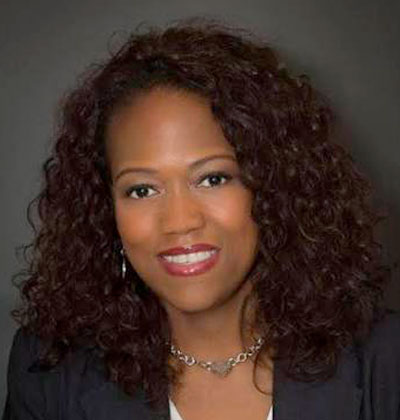
Kamilah Perry
What professional experiences have best prepared you for the bench?
I have represented Fortune 500 Companies as a large firm associate, I have represented individuals and small businesses as a private practice owner, and I have managed justice for victims, witnesses and defendants as the Chief Executive of the 9th Circuit State Attorney's Office. My 23 years+ of litigation experience in virtually every area of the law uniquely qualifies me to be a judge with vast experience. Additionally, as General Counsel and Executive Director of the State Attorney's Office, my job is to manage a $37 million dollar budget and handle the conflicts and challenges of 385 prosecutors and staff with efficiency, diplomacy, and the fair application of the applicable rules and policies, in order to ensure that the citizens of the 9th Circuit are adequately served by the State Attorney.
What role should personal values play in judicial decision-making?
Personal values should play no role in judicial decision-making, with the exception that all judges should certainly personally value being unbiased, fair, and impartial when making all decisions.
How do you balance precedent with evolving societal standards?
Legal precedent must control over societal standards. That is the role of the judiciary: to apply the law as written to the facts presented. Unfortunately, the court's role is not to change the law based on the temperature of society. Where no black-letter law exists, however, and justice requires a common-sense approach to decision making, sound judicial discretion should ensure that justice is carried out based on the facts of the case.
What steps do you take to avoid conflicts of interest?
As General Counsel for the State Attorney's Office, I've had to train prosecutors and employees on the importance of maintaining all appearances of objectivity and non-bias. I sincerely believe that public trust is paramount to a fair system. If a conflict of interest arose and I was either unable to remain impartial, or there was even a remote appearance that my impartiality would be unlikely, I would voluntarily recuse myself from presiding over the matter so that the parties are comfortable and the community knows that the bench can be trusted to self-disclose any conflicts.
What barriers to justice do you see in the current system, and how would you address them?
Funding is the greatest issue that the legal system faces. Unfortunately, only 1% of Florida's budget goes to the legal system.
However, judges, prosecutors, public defender's and the clerk's office are all charged with keeping the community safe and holding offenders accountable while maintaining high levels of transparency and keeping up with evolving technology. Funding is critical for the system to work efficiently. Lack of adequate funding means that citizens are adversely impacted by heavy dockets, slow scheduling, hearing continuances, and overall slow justice, or worse, the denial of justice. As General Counsel for the State Attorney's Office, my job is to analyze budgetary needs and lobby the legislature for increased funding for our office. As a member of the judiciary, I would endeavor to assist the Chief Judge with impressing upon the legislature the dangers associated with inadequate funding of the judicial system and the threat to public safety and overall loss of access to justice that could result.