

This night 20 years ago, you may have needed a flashlight or candle to read this, and you certainly wouldn’t have been reading it online.
Aug. 13, 2004 wasn’t just Friday the 13th — but it sure felt like it. That day, Hurricane Charley rumbled through Osceola County as it carved a path up the center of the state, from its compact but powerful Category 4 landfall in Port Charlotte, essentially up U.S. Highway 17, through our area, starting in Poinciana and up through Kissimmee into Orlando, exiting the coast near Daytona Beach, all in about six hours.
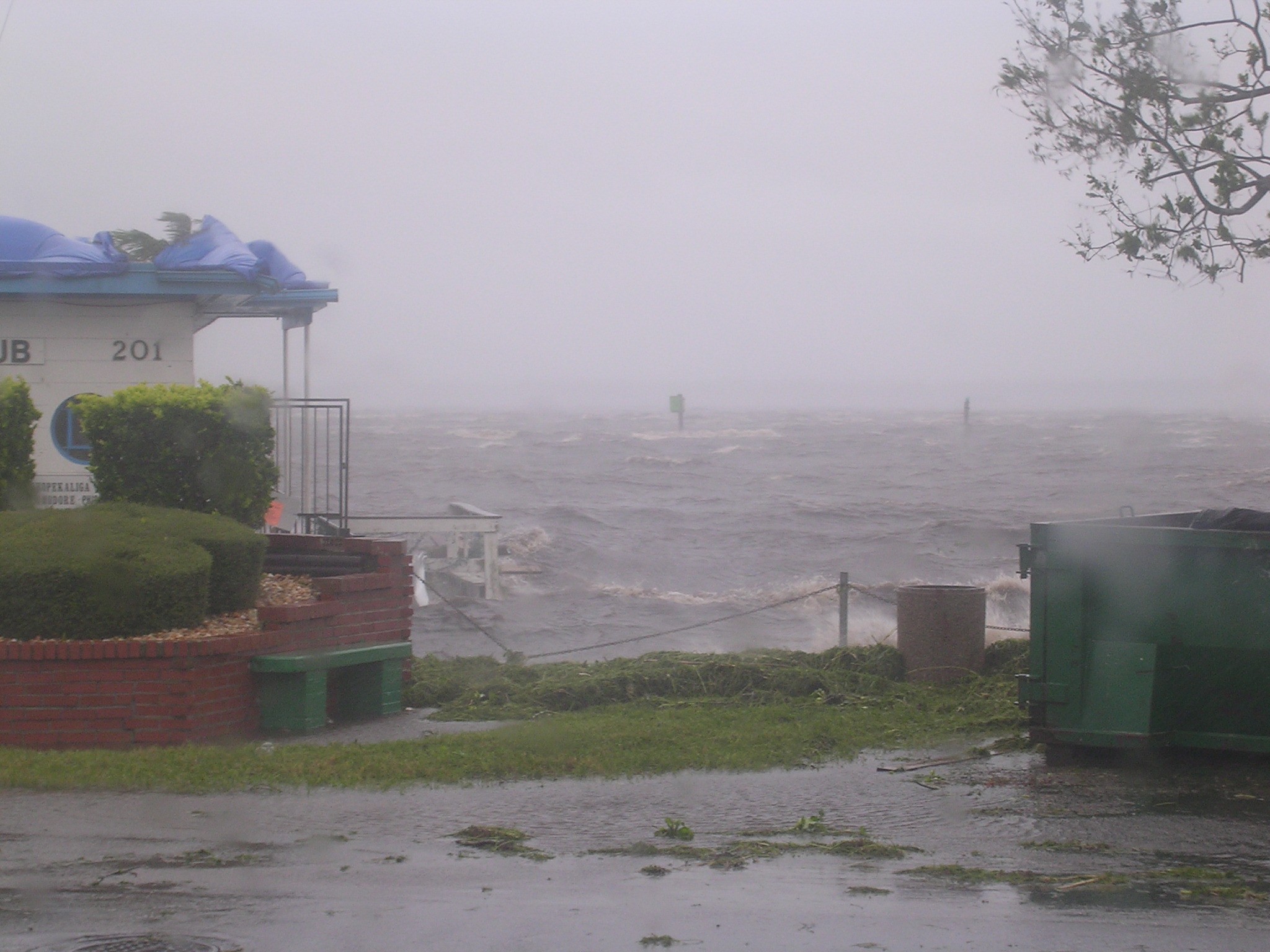
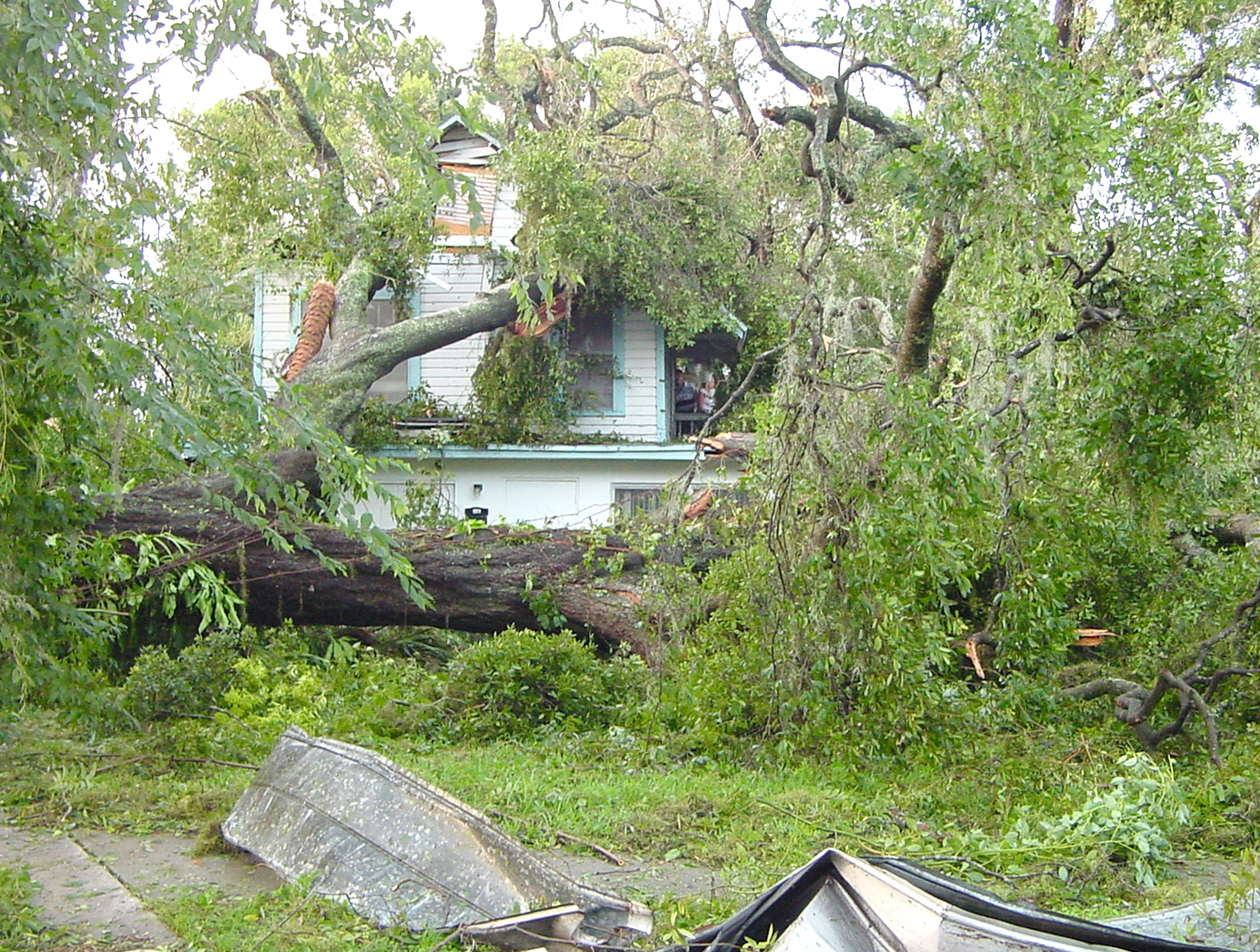
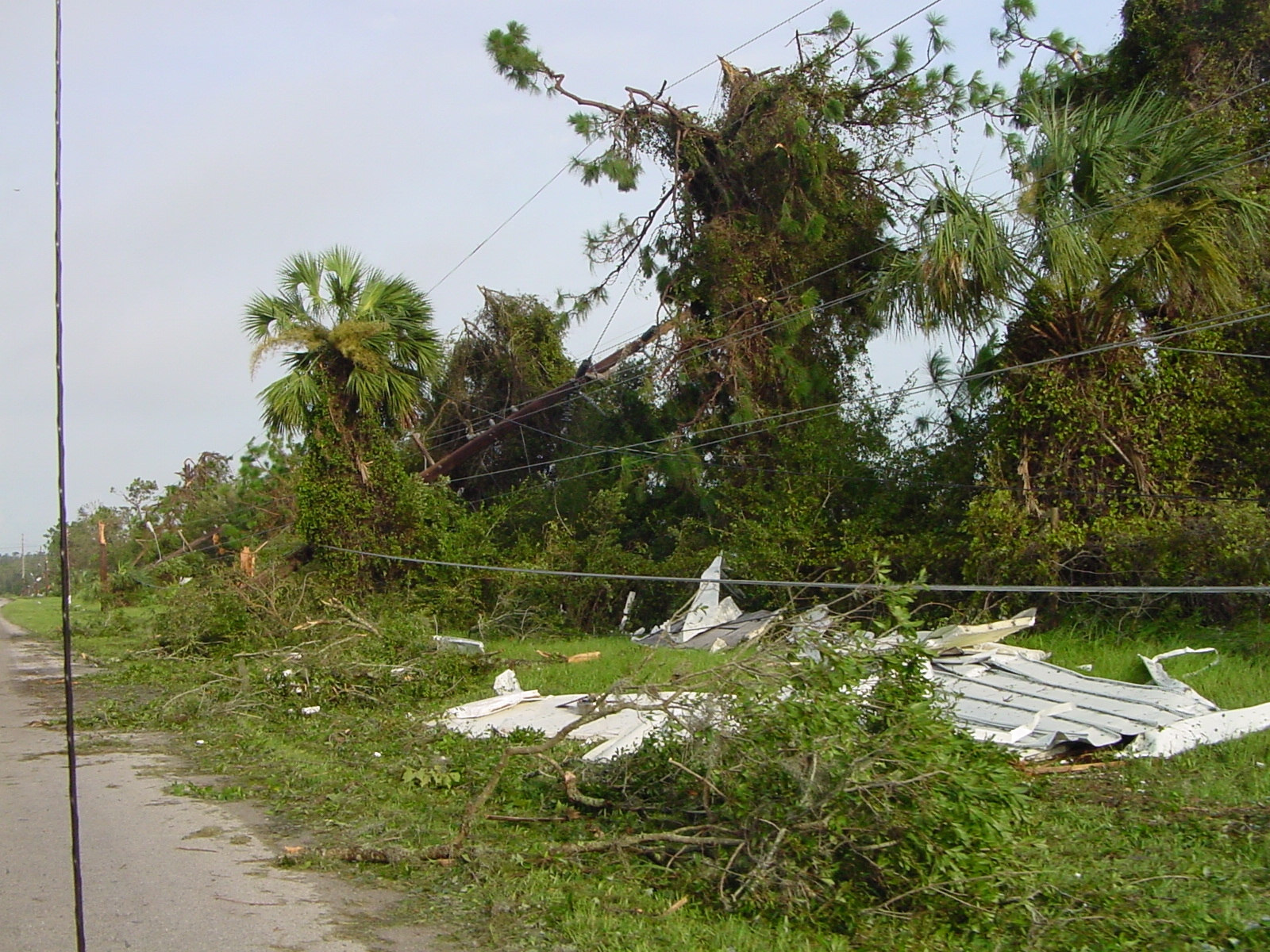
Gusts topped 100 mph through Osceola. Hurricane-force winds hitting the county’s populated parts for the first time since Hurricane Donna in 1960 (Erin brought 60-75 mph winds to the south end of the county in 1995) shredded roofs, downed trees and power lines and cut power to all Kissimmee Utility Authority customers. Some sat in the dark for as long as two weeks — just in time for the approach of Hurricane Frances, which was followed by Ivan and Jeanne.
But Charley started a six-week “season on the edge” of hurricane prepping and responding, forever changing the way our communities react to a tropical threat. The realization was that experience is something you never get until after you need it.
And, with Gulf hurricane Debby recently reminding us of the ever-present summer threat, here’s recollections of that day from local emergency responders — and how that storm season affected how people get ready to brace for a storm threat.
Bill Litton, Osceola’s Emergency Management Director: Bill was with the Seminole Sheriff’s Office then, and was assigned to shelter duty that night.
“I remember the famous ‘Tom Terry Forecast’, which told us it would be turning right instead of going through Tampa,” he said. “Then it hit, and the amount of wind that stayed intact through Central Florida really stuck with me. I can still see all the blue tarps in my mind.
“Back then, trying to get a hold of the damage assessments, the process wasn’t as quick as it is now, and that drives processes to get assistance from the state and FEMA. That was the biggest event since Andrew in 1992 in getting the state to prioritize deploying response teams like it does now.”
He said there isn’t as much “storm amnesia” among residents now, likely because of how active recent seasons have been.
“How to prepare is really installed in our community, our job is now getting word out to new residents,” he said. “We can say, ‘Be prepared,’ but people start to tune that out. Then there was the impact from Irma (2017) and Ian (2022), and the talk of how active this season will be, so our community does a good job.”
Jim Walls, Kissimmee fire chief: “I was born in Orlando so I’ve lived with this all my life, thinking we were too far inland to be affected like that. With Charley, we were not responding for hours because of the winds, finally around 2 a.m. we got the clear call, but we couldn’t go past 192 from Station 13 because trees were all down. We had to get chainsaws to clear our own paths.
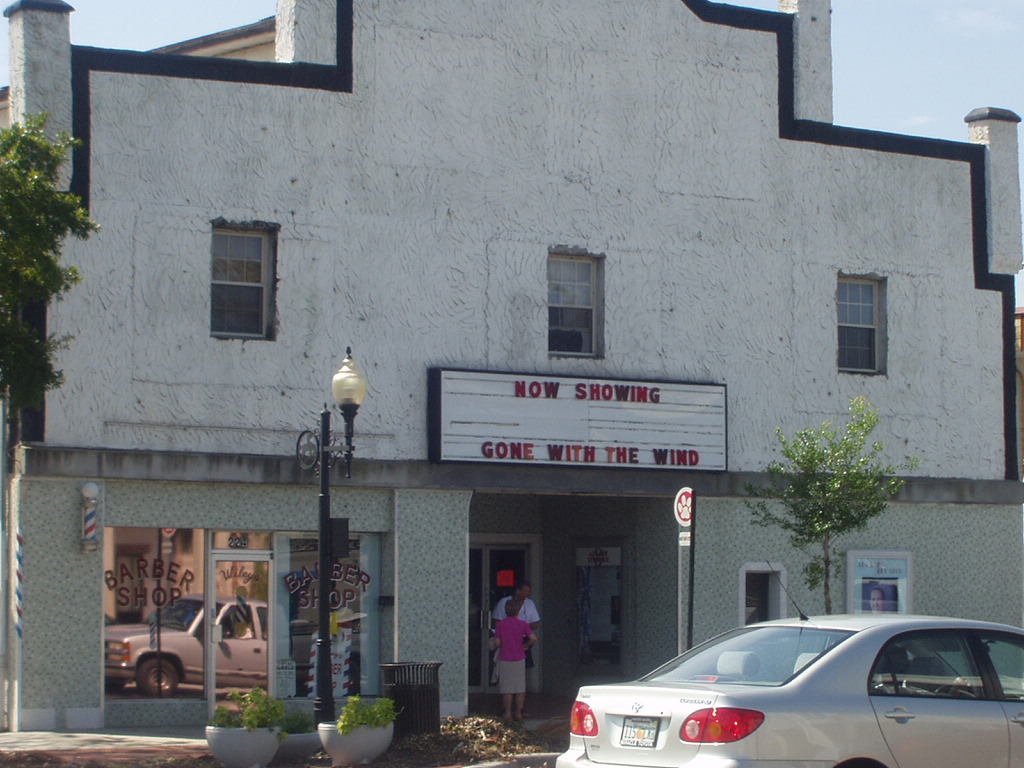
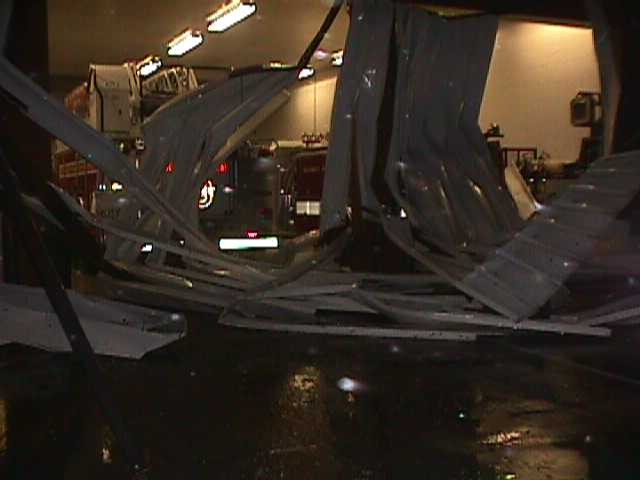
“Then we got calls … part of the roof collapsed at the Arcade Theater (now part of City Centre) and we thought the whole building came down.”
Experience has improved response for the Kissimmee Fire Department, he said.
“Now we have Cut & Push teams at all stations, public works bulldozers, chainsaw teams embedded for hurricanes. As soon as we get the signal they have routes to push trees and such out of the way. All those lessons learned from Charley.”
Tiffany Henderson, Kissimmee Utility Authority Director of Corporate Communications: “Charley was the most severe storm to hit Kissimmee in recorded history. All 58,000 homes and businesses served were without electric service. Our line crews worked tirelessly to get the lights back on as quickly as possible; 54 percent of customers had power restored in the first 72 hours; 85 percent were restored within one week, and service was restored to all customers within two weeks.”
Fast forward to Hurricane Ian in 2022, when just 15,000 customers lost power at the height of the storm.
“All customers who could receive power were fully restored within 36 hours, and 90% of customers were restored in 12 hours. Replacing our aged underground cable and other storm hardening capital improvements continue to maximize KUA’s reliability, especially during severe weather. These system improvements have a positive impact in terms of the amount of outages they may experience, and how long an outage may last. KUA’s reliability was in the top 25 percent of the utilities in the country, based on the latest data from the Energy Information Administration.”
Ken Jackson, News-Gazette editor: Before I was a news guy, I was a sports writer. Yet, I was working on at least one storm story from Aug. 11 to Sept. 25, spanning CharleyFrancesIvanJeanne. It was one long storm for me.
In 2004 our print plant was in Bradenton; the expected crosshairs of the storm. So we put that Saturday edition out early, then I helped my then-girlfriend (now wife) housesit dogs of a co-worker vacationing in Ireland. The morning of Aug. 13, when I heard the storm track was edging closer to us, I went to my mom’s house to drop down her storm awnings as a precaution. By the time I finished the work, Charley had blown up to a Category 4 storm just hours from its now more eastern landfall.
“I don’t care what you take, but get to my house, you aren’t staying here, I’m not asking you, I’m telling you,” I remember telling Mom about her mobile home. She did stay the night in the first-floor apartment of the brick building I lived in then. Good thing — the storm peeled away her carport and took the front porch with it. I can’t imagine the sound that would’ve made.
You know who else was at my apartment? My roommate, along with about eight of his friends — he threw an impromptu hurricane party. So it was me, my girlfriend, my mom, her cat, my roommate and his friends. In a 1,000 square foot unit, which lost power about 10 p.m., the tail end of the worst of it.
As I recall, Mom had a blast.
So, do we take these storm threats seriously these days? I see the lines at the stores, sandbag operations and gas stations. The good news is … yes, we do.
